

Welcome to my antiques shop. My name is Jose, and I’ve been dedicated to the world of antiques for over two decades. Based in Zaragoza, Spain, a city rich in Roman, medieval and Napoleonic history, I run a small but passionate antiques business rooted in love for authenticity, beauty, and historical value.
Each item in my shop is personally selected, restored when needed, and presented with accurate descriptions and guaranteed authenticity. I specialize in original, high-quality antiques. From delicate gramophones and intricate clocks to military collectibles, scientific instruments, and rare curiosities, every piece has a soul and a story.
I treat each sale with the care it deserves: expert packaging, insured global shipping, and full support before and after the purchase. My goal is not just to sell objects but to connect people with pieces that inspire, intrigue, and endure.
With over 1,400 positive reviews on eBay and two decades of experience, we now begin this new adventure on LoveAntiques.com, offering much more competitive prices than on other platforms. I invite you to browse with confidence and curiosity. Let’s keep history alive, one treasure at a time.
IberAntiques
'/%3e%3cpath fill='%23c8b100' stroke='none' d='M166.42 264.65c1.99-.72 3.29-1.58 2.66-3.14-.41-1-1.43-1.19-2.97-.63l-2.71.99 2.44 6.03c.27-.12.54-.24.81-.34.28-.1.57-.18.85-.26l-1.08-2.64v-.01zm-1.18-2.91.69-.25c.57-.21 1.21.1 1.5.8.21.53.16 1.13-.5 1.55-.21.13-.46.23-.7.33l-.99-2.43m7.54-2.52c-.29.08-.57.16-.86.22-.29.05-.59.09-.88.12l1.41 6.28 4.38-.88c-.05-.12-.12-.26-.14-.38-.03-.14-.03-.28-.04-.41-.77.22-1.61.46-2.61.66l-1.26-5.61m8.78 5.41c.82-2.28 1.82-4.46 2.81-6.67-.18.03-.36.06-.54.07s-.37.01-.54 0c-.53 1.61-1.18 3.21-1.87 4.8-.82-1.51-1.73-2.99-2.43-4.51-.34.04-.69.09-1.03.12-.34.02-.7.01-1.04.02 1.26 2.06 2.48 4.11 3.64 6.23.16-.03.32-.06.5-.08.16-.01.33.01.5.02m9.16-4.83c.15-.31.31-.6.48-.89-.24-.22-.96-.55-1.81-.63-1.79-.18-2.81.61-2.93 1.69-.26 2.26 3.31 2.07 3.14 3.57-.07.64-.75.9-1.48.83-.81-.08-1.41-.53-1.51-1.19l-.22-.02c-.12.39-.29.77-.48 1.15.53.34 1.21.53 1.85.59 1.83.19 3.22-.54 3.35-1.74.23-2.15-3.37-2.27-3.23-3.54.06-.53.47-.88 1.4-.79.67.07 1.08.43 1.26.95l.18.02m119.58 5.18c.62-2.33 1.41-4.58 2.19-6.87-.17.05-.35.09-.53.11-.17.03-.36.04-.54.05-.37 1.64-.88 3.29-1.42 4.94-.96-1.44-2-2.84-2.83-4.3-.34.07-.68.15-1.02.2s-.69.07-1.04.11c1.45 1.94 2.85 3.89 4.2 5.91.16-.04.32-.1.5-.12.16-.02.33-.02.49-.03m6.18-6.82c-.29.01-.59.04-.88.03-.3 0-.6-.04-.89-.06l-.12 6.41 4.49.08c-.03-.13-.06-.28-.06-.41s.04-.27.07-.4c-.81.05-1.68.1-2.71.08l.1-5.73m7.04 1.05c.72.06 1.41.19 2.1.31-.01-.13-.03-.27-.02-.41.01-.13.06-.26.1-.39l-6.07-.5c.01.14.03.27.02.4-.01.14-.06.27-.1.4.62-.02 1.37-.02 2.21.05l-.53 5.77c.29 0 .59 0 .88.03.3.02.59.07.88.11l.53-5.77m2.49 6.32c.29.05.59.09.88.15.28.06.57.15.85.23l.72-2.94.08.01c.16.41.38.9.49 1.19l.9 2.22c.36.06.71.11 1.05.18.36.08.7.18 1.04.28l-.31-.67c-.48-1-.99-2.01-1.41-3.02 1.12.04 1.98-.36 2.2-1.26.15-.62-.1-1.11-.68-1.53-.44-.31-1.28-.47-1.83-.6l-2.44-.53-1.54 6.29m3.14-5.42c.71.16 1.59.27 1.59 1.07-.01.21-.03.35-.06.48-.23.94-.94 1.26-2.13.91l.6-2.46m8.42 7.35c-.05.69-.18 1.37-.31 2.1.3.14.61.27.9.44.3.16.57.34.86.52l.6-7.23c-.14-.06-.27-.12-.41-.19-.13-.07-.25-.15-.37-.24l-6.38 4.05c.17.08.35.16.51.25.17.09.31.19.47.28.54-.45 1.1-.82 1.74-1.3l2.39 1.31v.01zm-1.81-1.66 2.13-1.37-.25 2.4-1.88-1.03'/%3e%3cpath fill='%23ad1519' stroke-width='.26' d='M249.65 182.72c6.64 0 12.56.99 16.41 2.51 2.2 1 5.16 1.73 8.4 2.17 2.47.33 4.81.39 6.85.24 2.73-.06 6.67.74 10.62 2.48 3.26 1.45 5.99 3.21 7.8 4.91l-1.57 1.4-.45 3.96-4.3 4.92-2.15 1.83-5.09 4.07-2.6.21-.79 2.25-32.91-3.86-33.02 3.86-.79-2.25-2.61-.21-5.08-4.07-2.15-1.83-4.3-4.92-.44-3.96-1.58-1.4c1.82-1.7 4.54-3.46 7.8-4.91 3.95-1.74 7.89-2.54 10.62-2.48 2.04.15 4.38.09 6.85-.24 3.24-.44 6.2-1.17 8.4-2.17 3.86-1.52 9.44-2.51 16.08-2.51z'/%3e%3cg fill='%23c8b100'%3e%3cpath d='m225.34 191.42 1.38 1.11 2.08-3.4c-2.25-1.38-3.8-3.78-3.8-6.51 0-.31.02-.61.06-.91.21-4.34 5.5-7.92 12.2-7.92 3.48 0 6.63.95 8.84 2.48.06-.67.12-1.25.21-1.86-2.43-1.42-5.6-2.28-9.05-2.28-7.71 0-13.74 4.39-14.03 9.57-.03.31-.05.61-.05.92 0 2.76 1.26 5.26 3.26 6.99l-1.1 1.81'/%3e%3cpath d='M225.43 191.46c-2.63-1.97-4.27-4.64-4.27-7.58 0-3.38 2.22-6.4 5.58-8.41-2.07 1.67-3.33 3.83-3.51 6.23-.03.31-.05.61-.05.92 0 2.76 1.26 5.26 3.26 6.99l-1.01 1.85'/%3e%3cpath d='M202.21 194.89c-1.48-1.65-2.38-3.79-2.38-6.12 0-1.41.33-2.75.91-3.95 2.13-4.38 8.82-7.57 16.76-7.57 2.16 0 4.23.23 6.14.67-.42.46-.75.97-1.08 1.48-1.59-.31-3.29-.48-5.06-.48-7.27 0-13.36 2.83-15.12 6.65a7.33 7.33 0 0 0-.73 3.2c0 2.32 1.09 4.4 2.79 5.82l-2.63 4.3-1.41-1.12 1.81-2.88z'/%3e%3cpath d='M204.9 180.48c-1.91 1.21-3.36 2.69-4.16 4.34-.58 1.2-.91 2.54-.91 3.95 0 2.33.9 4.47 2.38 6.12l-1.6 2.59c-1.53-1.96-2.42-4.26-2.42-6.7 0-4.2 2.67-7.87 6.71-10.3zm45.14-9.21c1.76 0 3.28 1.16 3.64 2.73.23 1.38.38 2.95.41 4.62.01.18-.01.35-.01.52 0 .2.04.41.05.61.06 3.52.56 6.62 1.27 8.52l-5.36 5.14-5.43-5.14c.72-1.9 1.22-5 1.29-8.52 0-.2.04-.41.04-.61 0-.17-.01-.34-.01-.52.03-1.67.18-3.24.41-4.62.36-1.57 1.94-2.73 3.7-2.73z'/%3e%3cpath d='M250.04 172.94c.91 0 1.68.58 1.87 1.39.23 1.31.37 2.8.4 4.38 0 .16-.01.32-.01.48 0 .2.03.39.04.59.05 3.32.53 6.25 1.21 8.05l-3.54 3.35-3.54-3.35c.67-1.8 1.15-4.73 1.21-8.05 0-.2.04-.39.04-.59 0-.16-.01-.32-.01-.48.03-1.58.17-3.07.4-4.38.18-.81 1.02-1.39 1.93-1.39zm24.66 18.48-1.39 1.11-2.08-3.4c2.26-1.38 3.81-3.78 3.81-6.51 0-.31-.02-.61-.06-.91-.21-4.34-5.5-7.92-12.2-7.92-3.49 0-6.63.95-8.84 2.48-.06-.67-.12-1.25-.22-1.86 2.44-1.42 5.6-2.28 9.06-2.28 7.71 0 13.74 4.39 14.03 9.57.03.31.05.61.05.92 0 2.76-1.27 5.26-3.27 6.99l1.11 1.81'/%3e%3cpath d='M274.61 191.46c2.63-1.97 4.27-4.64 4.27-7.58 0-3.38-2.22-6.4-5.58-8.41 2.07 1.67 3.33 3.83 3.51 6.23.03.31.05.61.05.92 0 2.76-1.27 5.26-3.27 6.99l1.02 1.85'/%3e%3cpath d='M297.83 194.89c1.47-1.65 2.38-3.79 2.38-6.12 0-1.41-.33-2.75-.91-3.95-2.14-4.38-8.82-7.57-16.76-7.57-2.16 0-4.23.23-6.15.67.43.46.76.97 1.09 1.48 1.58-.31 3.29-.48 5.06-.48 7.27 0 13.35 2.83 15.11 6.65.47.97.73 2.06.73 3.2 0 2.32-1.09 4.4-2.79 5.82l2.63 4.3 1.42-1.12-1.81-2.88z'/%3e%3cpath d='M295.14 180.48c1.91 1.21 3.36 2.69 4.16 4.34.58 1.2.91 2.54.91 3.95 0 2.33-.91 4.47-2.38 6.12l1.6 2.59c1.53-1.96 2.41-4.26 2.41-6.7 0-4.2-2.67-7.87-6.7-10.3z'/%3e%3cellipse cx='250.05' cy='167.3' fill='%23005bbf' stroke-width='.26' rx='4.43' ry='4.2'/%3e%3cpath stroke-width='.26' d='M248.89 155.54v2.26h-2.42v2.3h2.42v6.61h-3.05c-.03.21-.22.37-.22.59 0 .58.12 1.14.35 1.64 0 .02.02.02.03.03h8.12c0-.01.02-.01.03-.03.22-.5.35-1.06.35-1.64 0-.22-.19-.38-.22-.59h-2.96v-6.61h2.42v-2.3h-2.42v-2.26h-2.43z'/%3e%3c/g%3e%3cg fill='%23fff'%3e%3cellipse cx='250.04' cy='188.94' rx='1.91' ry='1.8'/%3e%3cellipse cx='250.04' cy='185.4' rx='1.91' ry='1.8'/%3e%3cellipse cx='250.04' cy='181.6' rx='1.52' ry='1.44'/%3e%3cellipse cx='250.04' cy='178.18' rx='1.1' ry='1.04'/%3e%3cellipse cx='250.04' cy='175.18' rx='.88' ry='.83'/%3e%3cellipse cx='198.94' cy='198.67' rx='1.1' ry='1.04'/%3e%3cellipse cx='197.44' cy='196.02' rx='1.1' ry='1.04'/%3e%3cellipse cx='196.44' cy='192.94' rx='1.1' ry='1.04'/%3e%3cellipse cx='196.31' cy='189.64' rx='1.1' ry='1.04'/%3e%3cellipse cx='197.12' cy='186.4' rx='1.1' ry='1.04'/%3e%3cellipse cx='198.81' cy='183.45' rx='1.1' ry='1.04'/%3e%3cellipse cx='201.06' cy='181.02' rx='1.1' ry='1.04'/%3e%3cellipse cx='203.68' cy='179.01' rx='1.1' ry='1.04'/%3e%3cellipse cx='206.8' cy='177.36' rx='1.1' ry='1.04'/%3e%3cellipse cx='210.04' cy='176.19' rx='1.1' ry='1.04'/%3e%3cellipse cx='213.66' cy='175.54' rx='1.1' ry='1.04'/%3e%3cellipse cx='217.1' cy='175.36' rx='1.1' ry='1.04'/%3e%3cellipse cx='220.47' cy='175.48' rx='1.1' ry='1.04'/%3e%3cellipse cx='224.21' cy='190.32' rx='1.1' ry='1.04'/%3e%3cellipse cx='222.34' cy='187.65' rx='1.1' ry='1.04'/%3e%3cellipse cx='221.35' cy='184.75' rx='1.1' ry='1.04'/%3e%3cellipse cx='221.47' cy='181.57' rx='1.1' ry='1.04'/%3e%3cellipse cx='222.16' cy='178.37' rx='1.1' ry='1.04'/%3e%3cellipse cx='223.84' cy='175.48' rx='1.1' ry='1.04'/%3e%3cellipse cx='226.4' cy='173.47' rx='1.1' ry='1.04'/%3e%3cellipse cx='229.39' cy='171.81' rx='1.1' ry='1.04'/%3e%3cellipse cx='232.7' cy='170.82' rx='1.1' ry='1.04'/%3e%3cellipse cx='236.13' cy='170.23' rx='1.1' ry='1.04'/%3e%3cellipse cx='239.5' cy='170.28' rx='1.1' ry='1.04'/%3e%3cellipse cx='242.99' cy='170.87' rx='1.1' ry='1.04'/%3e%3cellipse cx='246.23' cy='171.99' rx='1.1' ry='1.04'/%3e%3cellipse cx='253.8' cy='171.99' rx='1.1' ry='1.04'/%3e%3cellipse cx='257.04' cy='170.87' rx='1.1' ry='1.04'/%3e%3cellipse cx='260.54' cy='170.28' rx='1.1' ry='1.04'/%3e%3cellipse cx='263.9' cy='170.23' rx='1.1' ry='1.04'/%3e%3cellipse cx='267.34' cy='170.82' rx='1.1' ry='1.04'/%3e%3cellipse cx='270.64' cy='171.81' rx='1.1' ry='1.04'/%3e%3cellipse cx='273.64' cy='173.47' rx='1.1' ry='1.04'/%3e%3cellipse cx='276.19' cy='175.48' rx='1.1' ry='1.04'/%3e%3cellipse cx='277.88' cy='178.37' rx='1.1' ry='1.04'/%3e%3cellipse cx='278.57' cy='181.57' rx='1.1' ry='1.04'/%3e%3cellipse cx='278.69' cy='184.75' rx='1.1' ry='1.04'/%3e%3cellipse cx='277.69' cy='187.65' rx='1.1' ry='1.04'/%3e%3cellipse cx='275.83' cy='190.32' rx='1.1' ry='1.04'/%3e%3cellipse cx='279.57' cy='175.48' rx='1.1' ry='1.04'/%3e%3cellipse cx='282.94' cy='175.36' rx='1.1' ry='1.04'/%3e%3cellipse cx='286.38' cy='175.54' rx='1.1' ry='1.04'/%3e%3cellipse cx='290' cy='176.19' rx='1.1' ry='1.04'/%3e%3cellipse cx='293.24' cy='177.36' rx='1.1' ry='1.04'/%3e%3cellipse cx='296.36' cy='179.01' rx='1.1' ry='1.04'/%3e%3cellipse cx='298.97' cy='181.02' rx='1.1' ry='1.04'/%3e%3cellipse cx='301.22' cy='183.45' rx='1.1' ry='1.04'/%3e%3cellipse cx='302.91' cy='186.4' rx='1.1' ry='1.04'/%3e%3cellipse cx='303.72' cy='189.64' rx='1.1' ry='1.04'/%3e%3cellipse cx='303.6' cy='192.94' rx='1.1' ry='1.04'/%3e%3cellipse cx='302.6' cy='196.02' rx='1.1' ry='1.04'/%3e%3cellipse cx='301.1' cy='198.67' rx='1.1' ry='1.04'/%3e%3c/g%3e%3cg fill='%23c8b100'%3e%3cpath d='M250.15 226.18c-12.26-.02-23.25-1.47-31.09-3.83-.57-.18-.87-.7-.84-1.25-.01-.52.29-1 .84-1.17 7.84-2.36 18.83-3.81 31.09-3.83 12.27.02 23.25 1.47 31.09 3.83.55.17.84.65.83 1.17.03.55-.27 1.07-.83 1.25-7.84 2.36-18.82 3.81-31.09 3.83'/%3e%3cpath d='M250.07 216.09c-12.41.03-23.55 1.58-31.39 4 .65-.31.59-1.12-.22-3.2-.98-2.53-2.5-2.42-2.5-2.42 8.66-2.56 20.73-4.16 34.16-4.18 13.44.02 25.6 1.62 34.27 4.18 0 0-1.53-.11-2.51 2.42-.81 2.08-.87 2.89-.21 3.2-7.84-2.42-19.19-3.97-31.6-4'/%3e%3cpath d='M250.12 210.3c-13.43.02-25.5 1.62-34.16 4.18-.58.17-1.19-.05-1.38-.6s.12-1.18.7-1.35c8.71-2.67 21.08-4.35 34.84-4.38 13.77.03 26.19 1.71 34.9 4.38.58.17.89.8.7 1.35s-.8.77-1.38.6c-8.67-2.56-20.78-4.16-34.22-4.18'/%3e%3cpath d='m250.2 199.78 1.23.22c-.19.5-.24 1.05-.24 1.63 0 2.57 2.21 4.65 4.92 4.65 2.18 0 4.04-1.35 4.67-3.21.08.05.47-1.68.68-1.66.17.02.15 1.8.22 1.77.31 2.34 2.46 3.93 4.87 3.93 2.71 0 4.91-2.08 4.91-4.65 0-.19-.01-.38-.04-.57l1.54-1.52.83 1.94c-.33.61-.46 1.3-.46 2.03 0 2.46 2.1 4.44 4.69 4.44 1.63 0 3.06-.78 3.9-1.97l.99-1.25-.01 1.53c0 1.55.66 2.93 2.16 3.18 0 0 1.73.1 4.03-1.7 2.29-1.8 3.55-3.29 3.55-3.29l.2 1.8s-1.9 2.95-3.97 4.15c-1.14.66-2.86 1.35-4.23 1.13-1.44-.24-2.48-1.4-3.01-2.74-1.03.61-2.25.97-3.55.97-2.81 0-5.33-1.54-6.32-3.86-1.29 1.4-3.09 2.25-5.2 2.25-2.24 0-4.29-1.01-5.57-2.56a7.198 7.198 0 0 1-4.88 1.87c-2.48 0-4.69-1.22-5.94-3.05-1.25 1.83-3.46 3.05-5.94 3.05-1.89 0-3.61-.71-4.87-1.87-1.28 1.55-3.34 2.56-5.58 2.56-2.11 0-3.9-.85-5.19-2.25-1 2.32-3.52 3.86-6.32 3.86-1.31 0-2.52-.36-3.55-.97-.54 1.34-1.57 2.5-3.02 2.74-1.36.22-3.08-.47-4.22-1.13-2.08-1.2-3.98-4.15-3.98-4.15l.2-1.8s1.27 1.49 3.56 3.29c2.29 1.81 4.02 1.7 4.02 1.7 1.51-.25 2.16-1.63 2.16-3.18l-.01-1.53.99 1.25c.84 1.19 2.28 1.97 3.9 1.97 2.59 0 4.69-1.98 4.69-4.44 0-.73-.13-1.42-.46-2.03l.83-1.94 1.54 1.52c-.02.19-.04.38-.04.57 0 2.57 2.2 4.65 4.91 4.65 2.42 0 4.56-1.59 4.88-3.93.06.03.05-1.75.22-1.77.2-.02.6 1.71.67 1.66.64 1.86 2.49 3.21 4.68 3.21 2.71 0 4.91-2.08 4.91-4.65 0-.58-.03-1.13-.24-1.63l1.29-.22'/%3e%3cpath d='M208.37 206.32a2.24 2.24 0 0 0-.72-1.06c-.79-.68-1.84-.79-2.36-.25-.07.07-.13.17-.17.25 0 0-1.11-2.08-2.41-2.78-1.29-.7-3.49-.52-3.49-.52 0-1.6 1.3-2.89 2.99-2.89.99 0 1.92.41 2.48 1.11l.23-1.07s1.36.27 1.98 1.82-.06 3.8-.06 3.8.34-.96.85-1.61c.51-.64 1.81-1.34 2.49-1.66.67-.31 1.37-.79 1.37-.79s.03.18.05.61c.03.51-.01.83-.01.83 1.24-.17 2.69.04 3.83.48-.49.95-1.41 1.84-2.62 2.3 0 0 .44.36.83.75.34.34.44.49.44.49s-.85.13-1.27.19c-.43.05-1.84.28-2.69.22-.62-.04-1.32-.14-1.74-.22'/%3e%3cpath fill='%23ad1519' d='M205.29 205.01c.52-.54 1.57-.43 2.36.25.8.67 1.02 1.66.51 2.19-.51.54-1.57.42-2.36-.25-.79-.68-1.02-1.66-.51-2.19'/%3e%3cpath fill='%23fff' d='M216.39 205.91c-.28-.83-.03-1.65.57-1.83.6-.19 1.32.33 1.6 1.16s.03 1.65-.57 1.84c-.6.18-1.31-.34-1.6-1.17'/%3e%3cpath d='M226.12 201.86c-.33-.27-.59-.64-.67-1.08s.01-.87.23-1.23c0 0-.88-.44-1.83-.69-.72-.19-1.99-.2-2.37-.2-.38-.02-1.15-.03-1.15-.03s.07.17.28.55c.27.46.5.75.5.75-1.27.29-2.35 1.12-3.03 2.09.99.68 2.3 1.1 3.6.97 0 0-.12.34-.2.86-.06.43-.06.61-.06.61s.71-.26 1.07-.39c.35-.13 1.54-.55 2.15-.96.8-.54 1.48-1.25 1.48-1.25'/%3e%3cpath d='M225.68 191.65c1.06.67 1.98 1.79 2.3 3.03 0 0 .13-.25.71-.59.59-.33 1.09-.32 1.09-.32s-.17.97-.25 1.32c-.09.34-.09 1.38-.32 2.32-.23.93-.63 1.68-.63 1.68-.42-.34-.99-.51-1.58-.41-.58.1-1.06.44-1.32.9 0 0-.66-.58-1.21-1.38-.55-.81-.93-1.78-1.13-2.08-.21-.3-.72-1.15-.72-1.15s.47-.18 1.14-.05c.67.12.88.32.88.32-.14-1.28.28-2.62 1.04-3.59'/%3e%3cpath d='M228.97 201.38a1.727 1.727 0 0 0-.42-2.3s.67-.71 1.47-1.26c.6-.41 1.8-.82 2.15-.95.36-.13 1.07-.4 1.07-.4s0 .18-.06.61c-.08.52-.2.87-.2.87 1.3-.14 2.62.29 3.61.98-.69.97-1.77 1.79-3.04 2.08 0 0 .23.28.5.74.21.39.28.56.28.56l-1.15-.03c-.38 0-1.65-.01-2.37-.2-.95-.25-1.84-.69-1.84-.69'/%3e%3cellipse cx='227.37' cy='200.45' fill='%23ad1519' rx='2.17' ry='2.06'/%3e%3cpath fill='%23fff' d='M237.76 201.77c-.11-.87.31-1.63.93-1.7.63-.07 1.23.57 1.34 1.44.11.86-.3 1.63-.93 1.7-.62.07-1.22-.57-1.34-1.44'/%3e%3cpath d='M248.5 199.83c-.32-.36-.53-.82-.53-1.33 0-.5.19-.97.51-1.32 0 0-.89-.67-1.89-1.12-.77-.35-2.18-.59-2.6-.67l-1.28-.24s.04.2.2.67c.2.56.4.93.4.93-1.47.08-2.85.81-3.81 1.76.96.94 2.34 1.66 3.81 1.75 0 0-.2.36-.4.93-.16.46-.2.67-.2.67l1.28-.24c.42-.08 1.83-.32 2.6-.67 1-.46 1.91-1.11 1.91-1.11'/%3e%3cpath d='M250.11 188.36c1.05.95 1.85 2.36 1.95 3.82 0 0 .19-.27.91-.53.73-.26 1.28-.16 1.28-.16s-.39 1.05-.55 1.42c-.17.37-.39 1.53-.84 2.53-.44 1-1.05 1.76-1.05 1.76-.4-.45-1-.75-1.67-.75-.68 0-1.27.3-1.67.75 0 0-.61-.76-1.05-1.76-.45-1-.67-2.16-.84-2.53s-.56-1.42-.56-1.42.56-.1 1.28.16.92.53.92.53c.1-1.46.86-2.87 1.89-3.82'/%3e%3cpath d='M251.76 199.83c.33-.36.53-.82.53-1.33 0-.5-.19-.97-.51-1.32 0 0 .89-.67 1.9-1.12.76-.35 2.17-.59 2.6-.67l1.26-.24s-.02.2-.19.67c-.2.56-.4.93-.4.93 1.47.08 2.86.81 3.81 1.76-.95.94-2.33 1.66-3.81 1.75 0 0 .2.36.4.93.16.46.19.67.19.67l-1.26-.24c-.43-.08-1.84-.32-2.6-.67-1.01-.46-1.92-1.11-1.92-1.11'/%3e%3cellipse cx='250.14' cy='198.5' fill='%23ad1519' rx='2.17' ry='2.06'/%3e%3cpath fill='%23fff' d='M262.58 201.77c.11-.87-.3-1.63-.93-1.7s-1.23.57-1.34 1.44c-.11.86.31 1.63.93 1.7.63.07 1.23-.57 1.34-1.44'/%3e%3cpath d='M271.38 201.38c-.22-.35-.32-.79-.25-1.23.09-.44.33-.81.67-1.07 0 0-.67-.71-1.47-1.26-.61-.41-1.8-.82-2.16-.95-.35-.13-1.06-.4-1.06-.4s-.01.18.06.61c.08.52.19.87.19.87-1.29-.14-2.61.29-3.6.98.68.97 1.77 1.79 3.03 2.08 0 0-.23.28-.49.74-.22.39-.28.56-.28.56l1.14-.03c.38 0 1.66-.01 2.37-.2.95-.25 1.84-.69 1.84-.69'/%3e%3cpath d='M274.67 191.65c-1.06.67-1.98 1.79-2.31 3.03 0 0-.12-.25-.71-.59-.58-.33-1.09-.32-1.09-.32s.17.97.26 1.32c.09.34.09 1.38.31 2.32.23.93.64 1.68.64 1.68.42-.34.99-.51 1.57-.41.59.1 1.06.44 1.33.9 0 0 .66-.58 1.21-1.38.54-.81.92-1.78 1.12-2.08.21-.3.72-1.15.72-1.15s-.47-.18-1.14-.05c-.67.12-.88.32-.88.32.15-1.28-.28-2.62-1.03-3.59'/%3e%3cpath d='M274.22 201.86c.34-.27.6-.64.67-1.08.09-.44 0-.87-.22-1.23 0 0 .88-.44 1.83-.69.72-.19 1.99-.2 2.36-.2.39-.02 1.15-.03 1.15-.03s-.06.17-.28.55c-.26.46-.49.75-.49.75 1.26.29 2.34 1.12 3.03 2.09-.99.68-2.31 1.1-3.6.97 0 0 .11.34.19.86.06.43.06.61.06.61s-.71-.26-1.06-.39c-.36-.13-1.55-.55-2.16-.96-.79-.54-1.48-1.25-1.48-1.25'/%3e%3cellipse cx='272.98' cy='200.45' fill='%23ad1519' rx='2.17' ry='2.06'/%3e%3cpath fill='%23fff' d='M283.96 205.91c.28-.83.03-1.65-.57-1.83-.6-.19-1.32.33-1.61 1.16-.28.83-.03 1.65.57 1.84.6.18 1.32-.34 1.61-1.17'/%3e%3cpath d='M291.97 206.32c.11-.37.36-.75.72-1.06.79-.68 1.85-.79 2.36-.25.07.07.14.17.18.25 0 0 1.1-2.08 2.4-2.78s3.5-.52 3.5-.52c0-1.6-1.31-2.89-3-2.89-.99 0-1.92.41-2.47 1.11l-.23-1.07s-1.36.27-1.98 1.82.05 3.8.05 3.8-.33-.96-.84-1.61c-.51-.64-1.81-1.34-2.49-1.66-.68-.31-1.37-.79-1.37-.79s-.03.18-.06.61c-.02.51.02.83.02.83-1.25-.17-2.7.04-3.83.48.48.95 1.4 1.84 2.61 2.3 0 0-.43.36-.83.75-.33.34-.43.49-.43.49s.85.13 1.27.19c.43.05 1.84.28 2.68.22.63-.04 1.32-.14 1.74-.22'/%3e%3cpath fill='%23ad1519' d='M295.05 205.01c-.51-.54-1.57-.43-2.36.25-.79.67-1.02 1.66-.51 2.19.51.54 1.57.42 2.36-.25.79-.68 1.02-1.66.51-2.19'/%3e%3c/g%3e%3cg fill='none'%3e%3cpath fill='%23ad1519' stroke-linejoin='round' d='M250.12 224.57c-11.06-.01-21.07-1.29-28.68-3.26 7.61-1.97 17.62-3.17 28.68-3.19 11.07.02 21.13 1.22 28.74 3.19-7.61 1.97-17.67 3.25-28.74 3.26z'/%3e%3cpath stroke-width='.05' d='M258.04 224.28v-6.01m-3.02 6.21.04-6.37m-2.24 6.45v-6.49'/%3e%3cpath stroke-width='.09' d='M250.95 224.64v-6.57'/%3e%3cpath stroke-width='.14' d='M249.16 224.64v-6.57'/%3e%3cpath stroke-width='.18' d='M247.48 224.64v-6.57'/%3e%3cpath stroke-width='.23' d='M245.81 224.64v-6.57'/%3e%3cpath stroke-width='.28' d='M244.32 224.64v-6.57'/%3e%3cpath stroke-width='.33' d='m241.48 224.28-.04-5.97m1.39 6.05v-6.25'/%3e%3cpath stroke-width='.37' d='M238.86 224.01v-5.5m1.33 5.66-.04-5.86'/%3e%3cpath stroke-width='.42' d='M235.35 223.7v-4.84m1.15 4.92v-5.08m1.19 5.24v-5.28'/%3e%3cpath stroke-width='.46' d='M234.12 223.66v-4.68'/%3e%3cpath stroke-width='.51' d='M232.97 223.42v-4.36'/%3e%3cpath stroke-width='.56' d='M231.74 223.31v-4.06'/%3e%3cpath stroke-width='.6' d='m229.22 222.95-.04-3.22m1.33 3.38v-3.62'/%3e%3cpath stroke-width='.63' d='M227.93 222.68v-2.84'/%3e%3cpath stroke-width='.68' d='M226.74 222.45v-2.36'/%3e%3cpath stroke-width='.73' d='M225.45 222.13v-1.85'/%3e%3cpath stroke-width='.77' d='M224.12 221.98v-1.38'/%3e%3cpath stroke-width='.91' d='M222.72 221.66v-.67'/%3e%3cpath d='M220.12 221.66c7.75-2.18 18.29-3.52 30-3.54 11.72.02 22.31 1.36 30.06 3.54'/%3e%3cpath fill='%23ad1519' d='m216.72 217.16 1.22-1.59 3.37.43-2.69 1.96-1.9-.8'/%3e%3cpath fill='%23fff' d='M224.03 215.28c0-.58.49-1.04 1.1-1.04s1.1.46 1.1 1.04c0 .57-.49 1.04-1.1 1.04s-1.1-.47-1.1-1.04'/%3e%3cpath fill='%23058e6e' d='m233.64 215.07-2.36.27c-.61.07-1.17-.33-1.24-.9-.08-.57.35-1.09.96-1.15l2.37-.28 2.42-.28c.6-.07 1.15.33 1.22.9s-.36 1.09-.96 1.16l-2.41.28'/%3e%3cpath fill='%23fff' d='M240.54 213.35c0-.58.49-1.04 1.1-1.04.6 0 1.1.46 1.1 1.04 0 .57-.5 1.04-1.1 1.04-.61 0-1.1-.47-1.1-1.04'/%3e%3cpath fill='%23ad1519' d='M250.15 214.16h-3.29c-.6 0-1.11-.46-1.11-1.03 0-.58.49-1.04 1.1-1.04h6.64c.61 0 1.1.46 1.1 1.04 0 .57-.51 1.03-1.11 1.03h-3.33'/%3e%3cpath fill='%23fff' d='M257.56 213.35c0-.58.5-1.04 1.1-1.04.61 0 1.1.46 1.1 1.04 0 .57-.49 1.04-1.1 1.04-.6 0-1.1-.47-1.1-1.04'/%3e%3cpath fill='%23058e6e' d='m266.66 215.07 2.36.27c.6.07 1.17-.33 1.24-.9s-.36-1.09-.96-1.15l-2.37-.28-2.42-.28c-.61-.07-1.15.33-1.22.9-.08.57.36 1.09.96 1.16l2.41.28'/%3e%3cpath fill='%23fff' d='M274.07 215.28c0-.58.49-1.04 1.1-1.04s1.1.46 1.1 1.04c0 .57-.49 1.04-1.1 1.04s-1.1-.47-1.1-1.04'/%3e%3cpath fill='%23ad1519' d='m283.57 217.16-1.21-1.59-3.37.43 2.69 1.96 1.89-.8'/%3e%3c/g%3e%3cg stroke-width='.52'%3e%3cpath fill='%23ccc' d='M250.49 344.33c-13.08 0-26.05-3.2-36.95-8.54-8.03-3.98-13.36-12-13.36-21.19v-33.3H300.6v33.3c0 9.19-5.32 17.21-13.36 21.19-10.9 5.34-23.66 8.54-36.75 8.54z'/%3e%3cpath fill='%23ffd691' d='M252.91 329.55c2.09.63 3.15 2.19 3.15 4.01 0 2.38-2.3 4.18-5.3 4.18-2.99 0-5.42-1.8-5.42-4.18 0-1.79 1-3.8 3.08-3.94 0 0-.06-.19-.24-.5-.22-.23-.64-.66-.64-.66s.79-.15 1.25.02c.46.18.77.47.77.47s.21-.43.52-.76c.3-.33.7-.53.7-.53s.46.38.61.64c.15.27.25.59.25.59s.42-.35.79-.49c.37-.15.84-.26.84-.26s-.13.46-.22.69-.14.72-.14.72'/%3e%3cpath fill='%23058e6e' d='M250.32 340.32s-3.98-2.68-5.7-3.04c-2.21-.47-4.69-.09-5.76-.15.03.03 1.29.93 1.84 1.48s2.39 1.65 3.43 1.91c3.22.81 6.19-.2 6.19-.2m1.14.24s2.54-2.66 5.21-3.02c3.15-.44 5.22.26 6.44.58.03 0-1.01.49-1.56.87-.55.37-1.97 1.57-4.14 1.59-2.18.03-4.58-.23-4.97-.17-.4.06-.98.15-.98.15'/%3e%3cpath fill='%23ad1519' d='M250.69 337.28c-1-.93-1.62-2.25-1.62-3.72 0-1.46.62-2.78 1.63-3.71a5.08 5.08 0 0 1-.01 7.43'/%3e%3cpath fill='%23058e6e' d='M249.68 342.71s.61-1.52.67-2.83c.06-1.09-.15-2.17-.15-2.17h.8s.39 1.16.39 2.17c0 1.02-.18 2.37-.18 2.37s-.55.08-.73.17c-.19.09-.8.29-.8.29'/%3e%3cg fill='%23c8b100'%3e%3cpath fill='%23ad1519' d='M250.32 314.57c0 13.16-11.16 23.82-25.05 23.82s-25.15-10.66-25.15-23.82v-33.35h50.2v33.35'/%3e%3cpath d='M200.03 314.12c.15 7.02 2.95 12.25 5.73 15.67v-49.47h-5.66l-.07 33.8zm11.05 20.11c1.57.83 3.72 2.22 6.03 2.77l-.15-56.96h-5.88v54.19zm11.2 4.02c2.3.23 4.01.19 5.87 0v-58.21h-5.87v58.21zm11.04-1.25c2.3-.46 4.9-1.89 6.03-2.63v-54.33h-5.88l-.15 56.96zm11.49-7.76c2.45-2.18 4.75-7.12 5.59-12.76l.14-36.44h-5.87l.14 49.2z'/%3e%3c/g%3e%3cpath fill='%23ad1519' d='M300.65 281.22v33.35c0 13.16-11.28 23.82-25.17 23.82-13.9 0-25.16-10.66-25.16-23.82v-33.35h50.33'/%3e%3cpath id='e' fill='%23c8b100' stroke='%23c8b100' stroke-width='.26' d='M272.71 306.14c.05-.14.12-.27.19-.4l-4.26-4.74-1.67.72-3.06-3.39 1-1.46-5.34-5.99c-.07.02-.2.02-.27.04l.03 4.02 1.75.5v4.46l-1.75.48-.03 4.08c.84.26 1.48.88 1.74 1.67l3.21.01.51-1.67h4.72l.5 1.67zm-6.98-18.5v1.61h2.76v-1.61zm-7.3 20.37c.64 0 1.16-.49 1.16-1.1s-.52-1.11-1.16-1.11c-.65 0-1.17.5-1.17 1.11s.52 1.1 1.17 1.1zm15.99-9.73-1.76-.48v-4.46l1.76-.5-.01-1.92c-.85-.25-1.51-.87-1.79-1.67h-2.68l-.51 1.67h-4.71l-.51-1.67h-3.09c-.08.22-.17.42-.29.61l5.38 5.96 1.67-.71 3.06 3.4-1 1.45 4.18 4.64c.09-.04.18-.08.28-.12zm-7.25-1.39-1.29 1.04 1.77 1.98 1.29-1.05zm8.004 36.186c-1.24-.065-2.255-.902-2.514-2.016-1.67-.23-3.25-.66-4.73-1.3l.84-1.43c1.29.55 2.66.91 4.08 1.11.31-.66.86-1.16 1.58-1.4l.01-5.62-1.76-.49v-4.46l1.76-.48v-7.64a.882.882 0 0 1-.2-.09l-3.98 4.42 1 1.44-3.06 3.4-1.67-.71-3.3 3.67c.57.87.55 2-.11 2.85a15.58 15.58 0 0 0 3.24 2.75l-.84 1.44c-1.42-.89-2.7-1.99-3.79-3.22-.87.26-1.86.11-2.6-.5-1.15-.93-1.29-2.56-.3-3.64l.14-.16c-.69-1.56-1.16-3.24-1.32-5l1.71.01c.14 1.5.51 2.93 1.09 4.27.49-.06 1-.01 1.46.16l3.32-3.68-1-1.45 3.06-3.4 1.67.72 3.99-4.43a2.15 2.15 0 0 1-.21-.46l-2.76.01-.5 1.67h-4.72l-.51-1.67-3.24-.01c-.27.76-.9 1.36-1.69 1.62l-.01 4.04-1.71-.01v-4.01c-1.1-.33-1.91-1.31-1.91-2.47 0-1.15.82-2.15 1.92-2.48l.01-4.05-1.76-.48v-4.46l1.76-.5v-4.05c-1.08-.35-1.84-1.32-1.84-2.45 0-1.43 1.22-2.58 2.73-2.58 1.22 0 2.25.74 2.61 1.78h3.09l.51-1.67h4.71l.51 1.67h2.68c.357-1.031 1.363-1.767 2.559-1.78l.071 8.37h-.85v2.61h.845l-.021 21.59h-.784v2.61h.78zm-5.914-18.306-1.29-1.04-1.78 1.98 1.29 1.04zm-9.96-18.44h-1.69l-.01 2.61h1.7zm9.16 11.41v-1.6h-2.85v1.6zm-10.6 9.69-1.76-.39-.25-4.45 1.75-.58v2.56c0 .99.09 1.92.26 2.86zm1.46-5.52 1.75.41s.09 2.87.05 2.22c-.04-.74.19 2.24.19 2.24l-1.76.58c-.18-.9-.24-1.84-.24-2.79zm10.81 16.93.39-1.7c-1.52-.48-2.93-1.18-4.17-2.09l-1.26 1.11c1.48 1.15 3.19 2.08 5.04 2.68zm-.85 1.44-1.3 1.22c-1.47-.54-2.86-1.26-4.12-2.11l.38-1.77c1.5 1.13 3.21 2.03 5.04 2.66z'/%3e%3cuse xlink:href='%23e' transform='matrix(-1 0 0 1 550.43 0)'/%3e%3cpath fill='%23058e6e' stroke='none' d='M272.59 306.94c0-1.44 1.23-2.6 2.74-2.6s2.73 1.16 2.73 2.6c0 1.43-1.22 2.58-2.73 2.58s-2.74-1.15-2.74-2.58'/%3e%3cg fill='%23c8b100' stroke-width='.46'%3e%3cpath fill='%23ad1519' stroke-width='.52' d='M200.12 281.25h50.18v-55.72h-50.18v55.72z'/%3e%3cpath d='M217.34 238.41h-.92v-.92h-1.62v3.69h1.62v2.55h-3.47v7.39h1.85v14.79h-3.7v7.63h28.42v-7.63h-3.69v-14.79h1.85v-7.39h-3.47v-2.55h1.62v-3.69h-1.62v.92h-.93v-.92h-1.61v.92h-1.16v-.92h-1.62v3.69h1.62v2.55h-3.46v-8.09h1.84v-3.7h-1.84v.93h-.93v-.93h-1.62v.93h-.92v-.93h-1.85v3.7h1.85v8.09h-3.47v-2.55h1.62v-3.69h-1.62v.92h-.92v-.92h-1.85v.92zm-6.24 35.13h28.42m-28.42-1.85h28.42m-28.42-1.85h28.42m-28.42-1.85h28.42m-28.42-2.08h28.42m-24.72-1.62h21.03m-21.03-1.85h21.03m-21.03-2.08h21.03m-21.03-1.84h21.03m-21.03-1.85h21.03m-21.03-1.85h21.03m-21.03-1.85h21.03m-22.88-1.85h24.73m-24.73-1.85h24.73m-24.73-1.85h24.73m-24.73-1.84h24.73m-21.26-1.85h17.79m-10.63-1.85h3.47m-3.47-1.85h3.47m-3.47-1.85h3.47m-3.47-1.85h3.47m-5.32-2.31h7.16m-12.47 7.86h3.69m-5.31-2.31h6.93m-6.93 33.97v-1.85m0-1.85v-1.85m-1.85 1.85v1.85m3.47 0v-1.85m1.84 3.7v-1.85m0-1.85v-1.85m0-2.08v-1.62m0-1.85v-2.08m-1.84 7.63v-2.08m-3.47 2.08v-2.08m7.16 0v2.08m1.62-2.08v-1.62m-5.31-1.85v1.85m3.69-1.85v1.85m3.47-1.85v1.85m-1.85-1.85v-2.08m1.85-1.84v1.84m0-5.54v1.85m-1.85-3.7v1.85m1.85-3.7v1.85m-3.47-1.85v1.85m-3.69-1.85v1.85m-1.62-3.7v1.85m3.46-1.85v1.85m3.47-1.85v1.85m1.85-3.7v1.85m-3.47-1.85v1.85m-3.69-1.85v1.85m-1.62-3.69v1.84m6.93-1.84v1.84m-3.47-5.54v1.85m15.95-1.85h-3.7m5.32-2.31h-6.94m6.94 33.97v-1.85m0-1.85v-1.85m1.85 1.85v1.85m-3.47 0v-1.85m-1.85 3.7v-1.85m0-1.85v-1.85m0-2.08v-1.62m0-1.85v-2.08m1.85 7.63v-2.08m3.47 2.08v-2.08m-7.17 0v2.08m-1.62-2.08v-1.62m5.32-1.85v1.85m-3.7-1.85v1.85m-3.46-1.85v1.85m1.84-1.85v-2.08m-1.84-1.84v1.84m0-5.54v1.85m1.84-3.7v1.85m-1.84-3.7v1.85m3.46-1.85v1.85m3.7-1.85v1.85m1.62-3.7v1.85m-3.47-1.85v1.85m-3.47-1.85v1.85m-1.84-3.7v1.85m3.46-1.85v1.85m3.7-1.85v1.85m1.62-3.69v1.84m-6.94-1.84v1.84m3.47-5.54v1.85m-7.16 18.71v-2.08m0-5.54v-1.85m0 5.55v-1.85m0-5.55v-1.85m0-1.85v-1.84m0-3.7v-1.85m0-1.85v-1.85m-8.78 4.85h3.69m3.47-5.54h3.47m3.46 5.54h3.7'/%3e%3cpath d='M230.05 273.54v-4.86c0-.92-.46-3.7-4.85-3.7-4.16 0-4.62 2.78-4.62 3.7v4.86h9.47z'/%3e%3cpath d='m222.19 268.91-2.31-.23c0-.92.23-2.31.93-2.77l2.08 1.62c-.23.23-.7.92-.7 1.38zm3.93-2.31 1.16-2.08c-.46-.23-1.39-.46-2.08-.46-.46 0-1.39.23-1.85.46l1.15 2.08h1.62zm2.31 2.31 2.31-.23c0-.92-.23-2.31-.92-2.77l-2.08 1.62c.23.23.69.92.69 1.38zm-6.7-8.08v-5.09c0-1.38-.92-2.54-2.54-2.54s-2.54 1.16-2.54 2.54v5.09h5.08zm7.16 0v-5.09c0-1.38.93-2.54 2.55-2.54 1.61 0 2.54 1.16 2.54 2.54v5.09h-5.09zm-8.78-12.48.23-4.62h-4.39l.47 4.62h3.69zm6.94 0 .46-4.62h-4.39l.23 4.62h3.7zm3.46 0-.46-4.62h4.62l-.46 4.62h-3.7z'/%3e%3cpath fill='%230039f0' stroke='none' d='M228.43 273.54v-4.16c0-.7-.46-2.78-3.23-2.78-2.54 0-3.01 2.08-3.01 2.78v4.16h6.24zm-7.16-13.18v-4.39c0-1.15-.69-2.31-2.08-2.31s-2.08 1.16-2.08 2.31v4.39h4.16zm8.09 0v-4.39c0-1.15.69-2.31 2.08-2.31 1.38 0 2.08 1.16 2.08 2.31v4.39h-4.16z'/%3e%3c/g%3e%3cpath fill='%23ccc' d='M250.28 281.25h50.32v-55.72h-50.32v55.72z'/%3e%3cpath fill='%23db4446' stroke-width='.39' d='m275.93 239.26.05-.62.09-.34s-1.61.13-2.46-.11-1.61-.59-2.4-1.25c-.79-.68-1.1-1.1-1.67-1.18-1.36-.22-2.4.4-2.4.4s1.02.37 1.78 1.31 1.59 1.41 1.95 1.53c.59.18 2.66.05 3.22.07.57.03 1.84.19 1.84.19z'/%3e%3cg fill='none' stroke-width='.39'%3e%3cpath fill='%23ed72aa' d='M283.46 237s.01.72.08 1.4c.06.67-.22 1.24-.11 1.61s.16.66.3.93c.14.26.21.94.21.94s-.38-.28-.74-.54c-.35-.27-.6-.44-.6-.44l.1 1.03c.04.31.22.89.51 1.24.29.33.87.89 1.05 1.33.18.45.14 1.44.14 1.44s-.46-.75-.87-.89c-.39-.14-1.26-.62-1.26-.62s.79.79.79 1.55c0 .75-.32 1.6-.32 1.6s-.36-.68-.83-1.12c-.47-.45-1.13-.9-1.13-.9s.52 1.17.52 1.95c0 .79-.15 2.47-.15 2.47s-.39-.64-.79-.96c-.4-.31-.87-.58-1.02-.78-.14-.21.48.64.54 1.16.07.51.32 2.35 1.92 4.69.94 1.37 2.39 3.77 5.5 2.98 3.11-.78 1.96-4.97 1.3-6.92-.65-1.95-.98-4.11-.94-4.87.04-.75.58-2.97.51-3.39-.07-.41-.24-2 .14-3.28.4-1.33.73-1.85.95-2.4.21-.55.39-.86.46-1.34s.07-1.37.07-1.37.58 1.06.73 1.44c.14.38.14 1.5.14 1.5s.11-1.12.98-1.67 1.88-1.13 2.13-1.44.33-.51.33-.51-.08 1.92-.62 2.67c-.36.49-1.77 2.09-1.77 2.09s.73-.28 1.23-.3c.51-.04.87 0 .87 0s-.62.48-1.41 1.64c-.8 1.16-.47 1.26-1.05 2.22s-1.05 1-1.78 1.58c-1.08.87-.5 4.34-.36 4.86.15.51 2.03 4.76 2.07 5.79.03 1.03.21 3.33-1.6 4.8-1.16.95-3.07.96-3.51 1.23-.43.28-1.29 1.13-1.29 2.91 0 1.79.64 2.06 1.15 2.51.51.44 1.16.2 1.3.55.15.34.22.54.44.75.21.2.36.44.29.82-.08.38-.91 1.23-1.2 1.85-.29.61-.87 2.23-.87 2.47s-.07.99.18 1.37c0 0 .91 1.06.29 1.26-.4.14-.78-.25-.97-.2-.54.14-.83.47-.98.45-.36-.07-.36-.25-.4-.76-.03-.51-.01-.72-.17-.72-.22 0-.33.18-.37.45s-.04.89-.29.89-.61-.45-.83-.55-.83-.2-.87-.48c-.03-.27.36-.85.76-.96.4-.1.76-.3.51-.51-.26-.2-.51-.2-.76 0-.25.21-.79.04-.76-.27.04-.31.11-.69.07-.86-.03-.17-.47-.51.1-.82.59-.31.84.27 1.42.17s.86-.31 1.08-.65.18-1.06-.22-1.5c-.39-.45-.79-.52-.94-.8-.14-.27-.36-.92-.36-.92s.11 1.2.04 1.37-.04.89-.04.89-.39-.45-.72-.79c-.32-.34-.65-1.37-.65-1.37s-.03.96-.03 1.34c0 .37.43.72.29.86-.15.13-.83-.72-1.02-.86-.18-.14-.76-.58-1.01-1.06s-.44-1.16-.51-1.41c-.07-.24-.19-1.31-.07-1.58.18-.4.47-1.13.47-1.13h-1.41c-.76 0-1.3-.23-1.59.28s-.15 1.54.21 2.88c.37 1.33.58 1.98.48 2.22-.11.24-.58.79-.76.89-.19.11-.69.07-.91-.03-.21-.1-.57-.27-1.26-.27s-1.12.03-1.37-.03c-.26-.07-.88-.38-1.17-.31s-.79.32-.65.72c.22.61-.21.75-.51.72-.29-.04-.53-.14-.9-.24-.36-.11-.9 0-.83-.42.07-.41.22-.44.4-.74.18-.32.25-.52.04-.54-.25-.02-.51-.05-.7.11-.2.16-.51.51-.76.38-.26-.14-.46-.43-.46-1.08 0-.64-.68-1.2-.05-1.17.62.03 1.41.48 1.55.13s.06-.51-.28-.78-.76-.43-.31-.77c.45-.35.56-.35.74-.54.17-.18.41-.79.73-.64.62.3.02.73.65 1.42.62.69 1.01.94 2.06.83 1.04-.11 1.33-.24 1.33-.54 0-.29-.09-.82-.12-1.04-.02-.21.15-.99.15-.99s-.48.3-.63.59c-.13.29-.42.8-.42.8s-.11-.6-.08-1.09c.02-.29.12-.79.11-.89-.03-.27-.23-.94-.23-.94s-.16.73-.28.94c-.11.21-.16 1.07-.16 1.07s-.67-.58-.48-1.55c.13-.75-.12-1.74.11-2.06.22-.33.75-1.64 2.06-1.69 1.3-.05 2.31.05 2.77.03.45-.03 2.06-.33 2.06-.33s-2.97-1.52-3.64-1.98c-.68-.45-1.73-1.63-2.07-2.16-.34-.54-.65-1.58-.65-1.58s-.53.02-1.02.29c-.48.27-.96.67-1.24.99s-.73 1.05-.73 1.05.08-.94.08-1.23-.06-.86-.06-.86-.33 1.28-1.01 1.76c-.68.49-1.47 1.15-1.47 1.15s.08-.71.08-.88c0-.16.17-.99.17-.99s-.48.72-1.21.86c-.74.13-1.81.11-1.9.56-.08.45.2 1.07.03 1.39s-.54.54-.54.54-.42-.35-.79-.38c-.36-.03-.71.16-.71.16s-.31-.4-.19-.67c.11-.26.67-.66.54-.83-.15-.16-.6.06-.88.19-.28.14-.88.27-.82-.19.05-.45.2-.72.05-1.04-.14-.32-.05-.53.18-.61.22-.08 1.12.02 1.21-.19.08-.21-.22-.48-.82-.61-.59-.14-.88-.49-.57-.78.32-.3.4-.38.54-.64.14-.27.2-.76.74-.51.53.24.42.83.99 1.01.56.19 1.89-.08 2.17-.24s1.19-.83 1.5-.99c.31-.15 1.61-1.12 1.61-1.12s-.76-.53-1.05-.8c-.28-.27-.78-.91-1.04-1.05-.25-.13-1.5-.61-1.92-.64-.42-.02-1.72-.48-1.72-.48s.59-.19.79-.35c.19-.16.64-.56.87-.53.22.02.28.02.28.02s-1.21-.05-1.47-.13c-.25-.08-.99-.54-1.27-.54s-.84.11-.84.11.76-.48 1.38-.59c.62-.1 1.1-.08 1.1-.08s-.96-.27-1.19-.58c-.22-.33-.45-.8-.62-1.02-.17-.21-.28-.56-.59-.59s-.85.38-1.16.35-.54-.22-.57-.67c-.02-.46 0-.3-.1-.54-.12-.24-.57-.8-.15-.93.43-.14 1.33.08 1.42-.08.08-.16-.48-.65-.85-.83-.37-.19-.96-.51-.65-.78.31-.26.62-.37.79-.61s.37-.91.74-.7c.36.21.87 1.26 1.16 1.18.28-.08.3-.83.25-1.15-.06-.32 0-.88.28-.83s.51.43.96.46c.45.02 1.13-.11 1.07.21-.05.32-.31.71-.62 1.06-.3.36-.45 1.05-.25 1.5.2.46.71 1.19 1.16 1.48s1.3.51 1.84.85c.53.35 1.78 1.34 2.2 1.45s.85.32.85.32.48-.21 1.13-.21 2.14.1 2.71-.14 1.3-.64 1.08-1.15c-.23-.51-1.47-.96-1.36-1.36s.57-.43 1.33-.46c.76-.02 1.8.14 2-.94.2-1.06.26-1.68-.81-1.92-1.08-.24-1.87-.27-2.07-1.04-.2-.78-.39-.97-.17-1.18.23-.21.62-.32 1.41-.37.8-.06 1.7-.06 1.96-.25.25-.18.3-.69.61-.91.31-.21 1.53-.4 1.53-.4s1.46.71 2.8 1.71c1.21.9 2.3 2.23 2.3 2.23'/%3e%3cpath d='M269 243.39s-.8.23-1.1.67c-.37.53-.34 1.07-.34 1.07s.68-.56 1.56-.33c.87.24.96.33 1.33.3s1.27-.35 1.27-.35-.74.86-.65 1.45c.08.58.19.85.17 1.15-.06.72-.6 1.61-.6 1.61s.31-.19 1.05-.35c.73-.16 1.36-.51 1.75-.81.39-.29.9-1.02.9-1.02s-.16 1 0 1.42c.17.44.23 1.67.23 1.67s.47-.42.85-.62c.19-.11.7-.38.9-.7.14-.22.32-1.06.32-1.06s.11.9.39 1.34c.28.42.7 1.74.7 1.74s.29-.86.6-1.21.68-.8.7-1.07c.03-.27-.08-.85-.08-.85l.39.85m-11.41.61s.48-.83.93-1.1c.46-.26 1.08-.74 1.25-.8.16-.05.9-.46.9-.46m.99 5.17s1.09-.55 1.41-.75c.68-.4 1.16-1.12 1.16-1.12'/%3e%3cpath stroke-width='.26' d='M282.57 240.9s-.34-.48-.42-.65c-.09-.15-.23-.48-.23-.48'/%3e%3cpath d='M278.33 257.41s2.04 1.26 1.98 2.31c-.06 1.04-1.13 2.41-1.13 2.41'/%3e%3c/g%3e%3cpath stroke-width='.26' d='M273.05 236.24s-.17-.48-.2-.62c-.03-.13-.12-.29-.12-.29s.88 0 .85.27c-.02.27-.28.27-.34.37-.05.11-.19.27-.19.27z'/%3e%3cpath stroke-width='.05' d='m277.06 234.85-.06-.43s.77 0 1.13.26c.57.4.93 1.02.91 1.05-.1.09-.54-.27-.85-.37 0 0-.23.05-.45.05-.23 0-.34-.11-.37-.21-.03-.12.03-.3.03-.3l-.34-.05z'/%3e%3cpath stroke-width='.26' d='m273.08 240.14.33-.53.34.49-.67.04m.81-.02.4-.53.43.48-.83.05m-.36-3.29.82.29-.74.38-.08-.67m.99.27.73.18-.59.46-.14-.64'/%3e%3cpath fill='%23db4446' stroke-width='.39' d='M261.88 236.08s.48.34.85.4c.37.05.76.05.82.05.05 0 .17-.54.11-.91-.2-1.2-1.3-1.47-1.3-1.47s.33.73.17 1.07c-.23.48-.65.86-.65.86zm-2.29 1.04s-.43-.77-1.33-.67c-.9.11-1.5.81-1.5.81s1-.03 1.25.13c.37.24.48.86.48.86s.54-.32.71-.54c.16-.21.39-.59.39-.59zm-1.1 3.13s-.77.11-1.19.59c-.43.49-.36 1.4-.36 1.4s.5-.54.95-.54c.46 0 1.16.16 1.16.16s-.22-.56-.22-.8-.34-.81-.34-.81zm2.57 10.12s-.42-.45-1.16-.32c-.74.14-1.22.97-1.22.97s.63-.17 1-.08c.36.08.62.45.62.45s.34-.29.45-.45.31-.57.31-.57zm-.85 2.97s-.62-.1-1.16.33c-.53.43-.56 1.25-.56 1.25s.51-.43.91-.37c.39.05.87.27.87.27s.08-.51.11-.64c.09-.38-.17-.84-.17-.84zm1.45 2.74s-.05.79.33 1.28c.4.51 1.13.59 1.13.59s-.24-.53-.28-.8c-.06-.4.34-.75.34-.75s-.37-.38-.73-.38c-.37 0-.79.06-.79.06zm7.34 7.04s-.51-.64-1.21-.62c-.71.03-1.45.69-1.45.69s.88-.07 1.11.22c.23.3.45.67.45.67s.4-.21.57-.35c.17-.13.53-.61.53-.61zm-2.17 2.81s-.93-.14-1.39.35c-.45.48-.42 1.36-.42 1.36s.56-.61 1.07-.56 1.08.32 1.08.32-.09-.53-.15-.78c-.05-.24-.19-.69-.19-.69zm2.01 2.97s-.46.64-.12 1.15 1.05.75 1.05.75-.26-.37-.14-.8c.09-.34.67-.8.67-.8l-1.46-.3zm12.4 1.21s-.81-.19-1.27.08c-.45.26-.82 1.39-.82 1.39s.74-.62 1.28-.54c.53.08.93.3.93.3s.08-.46.02-.78c-.03-.19-.14-.45-.14-.45zm.4 2.99s-.62.64-.4 1.18c.23.54.62 1.1.62 1.1s-.02-.8.23-1.02c.37-.32 1.05-.37 1.05-.37s-.54-.48-.71-.54c-.17-.05-.79-.35-.79-.35zm3.11.94s-.31.78.28 1.28c.59.52 1.11.57 1.11.57s-.46-.81-.32-1.23c.15-.45.54-.72.54-.72s-.74-.25-.85-.22c-.11.02-.76.32-.76.32z'/%3e%3cg fill='%23c8b100' stroke-width='.26'%3e%3cpath d='m282.88 232.71-.29.02c-.01.03-.14.24-.26.35-.26.25-.65.28-.86.07a.486.486 0 0 1-.14-.41c-.17.09-.35.09-.51-.01-.26-.15-.32-.5-.14-.79.03-.06.06-.14.11-.18l-.02-.32-.35.08-.1.19c-.22.25-.54.31-.7.17a.526.526 0 0 1-.13-.27c0 .01-.09.09-.17.11-.54.13-.75-1.05-.77-1.35l-.17.25s.16.7.08 1.3c-.08.59-.29 1.19-.29 1.19.74.19 1.86.8 2.97 1.65s1.98 1.78 2.34 2.42c0 0 .58-.32 1.18-.51s1.36-.2 1.36-.2l.22-.21c-.32.05-1.58.1-1.56-.43 0-.08.07-.18.08-.18a.697.697 0 0 1-.3-.06c-.18-.13-.18-.43.02-.69l.18-.13.01-.34-.34.05c-.03.04-.11.09-.15.13-.27.23-.65.25-.86.03a.416.416 0 0 1-.11-.46.58.58 0 0 1-.45-.05c-.26-.15-.31-.52-.11-.8.09-.14.28-.31.31-.32l-.07-.3h-.01z'/%3e%3cpath fill='%23000' stroke-width='.05' d='M280.63 233.4c.05-.07.15-.06.23 0s.1.16.06.21c-.05.06-.15.06-.24-.01-.07-.05-.1-.15-.05-.2zm.95.79-.33-.25c-.06-.04-.07-.12-.04-.16.04-.04.12-.04.18 0l.33.26.33.25c.05.04.08.12.04.16s-.12.04-.18 0l-.33-.26m-1.74-1.19-.26-.15c-.07-.04-.1-.12-.07-.17s.11-.06.17-.02l.26.16.26.15c.06.03.09.11.07.16-.03.05-.11.06-.17.02l-.26-.15m-1.04-.71c.05-.06.16-.06.24 0 .08.07.1.16.05.22-.05.05-.15.05-.23-.01s-.1-.15-.06-.21zm3.83 2.63c.05-.05.03-.14-.05-.21-.08-.06-.19-.06-.24 0-.04.05-.02.15.06.21s.18.06.23 0zm.57.66.22.21c.05.05.13.07.18.03.04-.04.04-.11-.01-.16l-.21-.21-.22-.21c-.05-.05-.14-.07-.18-.03-.05.03-.04.11.01.16l.21.21m.95.81c.05-.06.03-.15-.05-.21-.08-.07-.18-.07-.23-.01s-.03.15.05.22c.08.05.18.06.23 0z'/%3e%3cpath d='m281.4 230.36-.59.01-.11.87.06.14.15-.01.76-.51-.27-.5'/%3e%3cpath d='m281.4 230.36-.59.01-.11.87.06.14.15-.01.76-.51-.27-.5'/%3e%3cpath d='m279.8 230.84-.02.54.92.12.15-.07-.02-.15-.53-.71-.5.27'/%3e%3cpath d='m281.7 231.92-.49.27-.54-.71-.01-.15.14-.06.93.11-.03.54'/%3e%3cpath d='M280.51 231.25c.08-.13.26-.17.39-.09.14.07.18.24.1.37s-.26.17-.39.09a.26.26 0 0 1-.1-.37zm-2.15-.9c-.02.01-.13-.46-.26-.71-.08-.19-.39-.43-.39-.43.03-.05.42-.19.87.09.38.31-.03.87-.03.87s-.09.14-.19.18z'/%3e%3cpath d='m279.39 230.66-.42.37-.68-.6.06-.08.03-.15.92-.07.09.53'/%3e%3cpath d='M278.24 230.29c.05-.15.18-.23.28-.2.11.04.15.18.1.33s-.18.23-.29.2c-.11-.04-.15-.18-.09-.33zm5.43 1.48-.59-.06-.25.85.05.14.15.01.83-.41-.19-.53'/%3e%3cpath d='m282.01 232.03-.1.54.9.23.15-.04.01-.14-.43-.79-.53.2'/%3e%3cpath d='m283.73 233.36-.53.2-.42-.78.01-.15.15-.03.89.23-.1.53'/%3e%3cpath d='M282.65 232.54c.1-.12.28-.13.4-.04.13.09.15.26.05.38s-.28.13-.41.04a.26.26 0 0 1-.04-.38zm2.99 1.07.11.55-.87.3-.16-.04-.01-.14.36-.81.57.14'/%3e%3cpath d='m285.49 235.2-.56.13-.31-.83.04-.15.15-.02.85.35-.17.52'/%3e%3cpath d='m283.97 233.66-.18.52.85.34.16-.02.03-.14-.3-.83-.56.13'/%3e%3cpath d='M284.91 234.63c.12-.11.12-.28.02-.39a.318.318 0 0 0-.41-.02c-.11.11-.12.28-.01.39.1.11.29.12.4.02zm1.38 1.8c0 .01.5.03.79.09.2.04.52.27.52.27.06-.04.12-.42-.28-.79-.39-.28-.88.22-.88.22s-.12.12-.15.21z'/%3e%3cpath d='m285.75 235.54-.29.46.76.51.09-.08.13-.04-.12-.88-.57.03'/%3e%3cpath d='M286.37 236.53c.14-.07.21-.22.15-.31s-.22-.1-.36-.02-.2.22-.14.31c.05.09.21.1.35.02z'/%3e%3c/g%3e%3cg stroke-width='.61'%3e%3cellipse cx='250.43' cy='281.01' fill='%23ad1519' rx='16.26' ry='18.3'/%3e%3cellipse cx='250.44' cy='280.97' fill='%23005bbf' rx='11.44' ry='13.42'/%3e%3cg id='f' fill='%23c8b100' stroke-width='.34'%3e%3cpath stroke-linejoin='round' d='M245.03 271.74s-1.35 1.48-1.35 2.86c0 1.39.57 2.54.57 2.54-.21-.55-.76-.94-1.41-.94-.83 0-1.5.63-1.5 1.42 0 .22.14.58.24.77l.49.99c.16-.37.54-.57.98-.57.59 0 1.08.45 1.08 1.01 0 .09-.01.17-.04.25l-1.22.01v1.03h1.09l-.81 1.61 1.07-.42.81.91.84-.91 1.07.42-.8-1.61h1.08v-1.03l-1.22-.01c-.02-.08-.02-.16-.02-.25 0-.56.47-1.01 1.06-1.01.44 0 .82.2.98.57l.49-.99c.1-.19.24-.55.24-.77 0-.79-.67-1.42-1.49-1.42-.66 0-1.21.39-1.41.94 0 0 .57-1.15.57-2.54 0-1.38-1.39-2.86-1.39-2.86z'/%3e%3cpath d='M242.87 281.11h4.36v-1.03h-4.36v1.03z'/%3e%3c/g%3e%3cuse xlink:href='%23f' x='10.63'/%3e%3cuse xlink:href='%23f' x='5.31' y='9.14'/%3e%3c/g%3e%3c/g%3e%3c/g%3e%3c/svg%3e) ES

Address
Calle Juan Cabrero, 18 - Local AA
Zaragoza (Saragossa)
Spain
50007
Opening times
Open from 9:00 to 19:00 (Madrid time)
Phone
+34976 453931
Mobile
+34617 468503
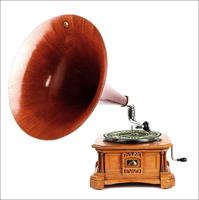
Antique La Voz de su Amo (HMV) Monarch 13 C Luxury Gramophone. Spain, Circa 1920
REF: GR-E-599 / LA592619
€4,300
£3,587
$4,813
Secure Payments By
LoveAntiques Dealersince Apr 2025173 sales by dealer
LoveAntiques Dealersince Apr 2025173 sales by dealer
Description
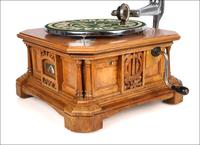
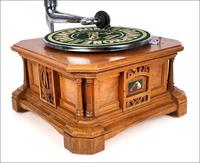
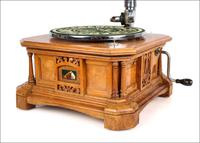
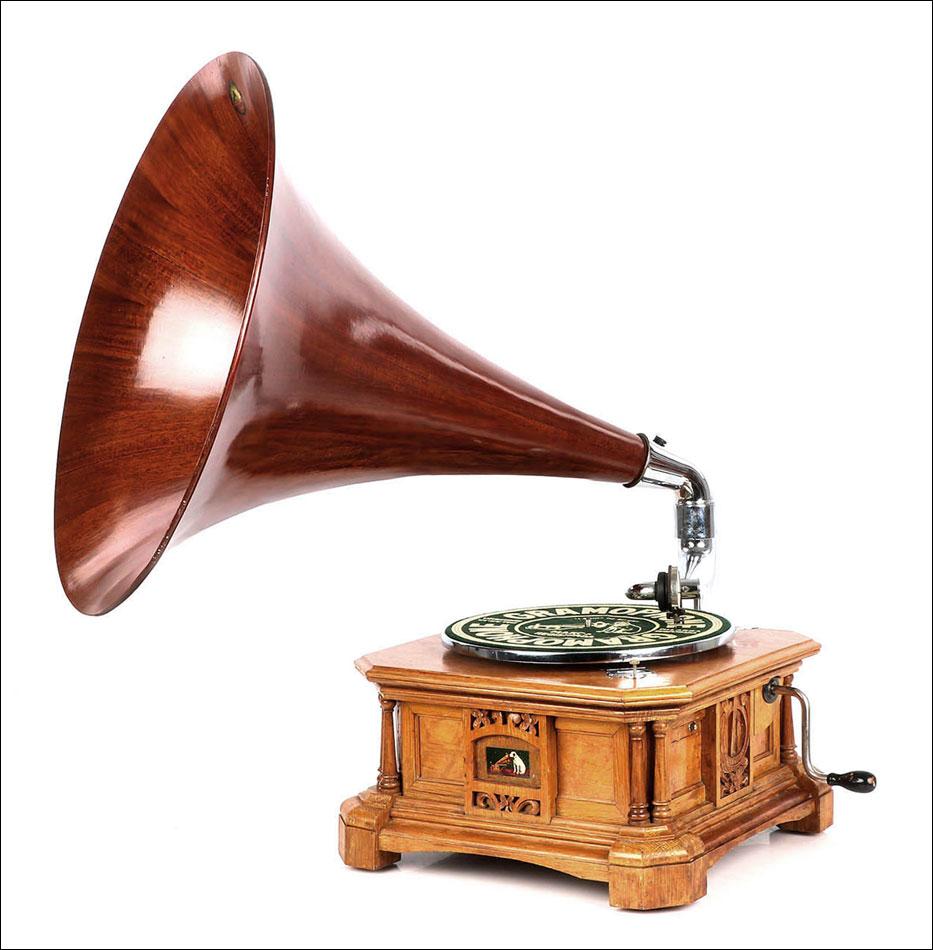
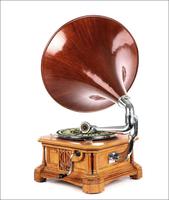
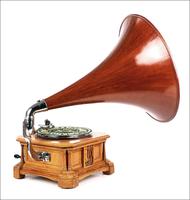
Magnificent antique Spanish La Voz de su Amo (His Master's Voice, HMV) gramophone, model Monarch nº 13 C, manufactured in Barcelona, circa 1920. This is one of the company's finest luxury models, featuring a beautifully carved oak cabinet and an impressive original Spanish mahogany horn. The richness of its decorative details and the quality of its craftsmanship reflect the appreciation for elegant, finely made furniture that characterized the best Spanish gramophones of the early 20th century. Its Art Nouveau-inspired design, combined with the attractive contrast between the golden tones of the oak cabinet and the reddish mahogany horn, gives it a truly distinctive presence. This is an uncommon and highly regarded model, carefully restored and in excellent condition and perfect working order.
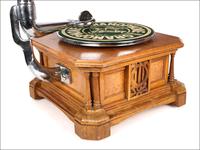
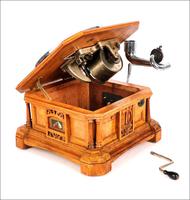
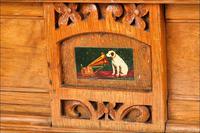
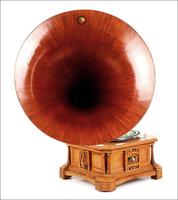
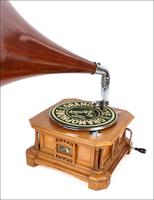
The cabinet is made of oak, with a beautiful golden tone and a finish that brings out the full beauty of its natural wood grain. Its construction is solid and elegant, with a broad stepped base resting on four sturdy feet and surrounded by carefully crafted moldings. The corners feature small turned columns, while the sides combine delicate openwork carvings with geometric and botanical motifs and panels finished in beautiful burl wood veneer. The intricate, irregular figuring of this wood creates a particularly attractive contrast and reflects the care devoted to the cabinet's decoration. Especially beautiful is the central front panel, framed by fine carvings of floral motifs and small scrolls. Within this panel, the cabinet retains its original period La Voz de su Amo decal, featuring the familiar image of Nipper the dog listening to a gramophone, a charming detail that adds both character and historical interest to the piece.
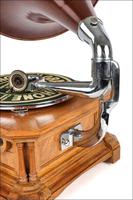
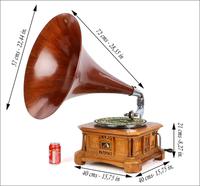
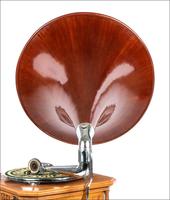
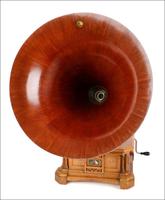
The large external horn is undoubtedly one of the most eye-catching features of this gramophone. It is an original Spanish-made mahogany horn from the period, with an elegant flared shape, a wide circular opening measuring 57 cm (22.44 in) in diameter, and a length of 72 cm (28.35 in). Its gently flowing longitudinal lines, the beautiful reddish grain of the wood, and the luster of its finish create a graceful and impressive silhouette. The contrast with the golden tones of the oak cabinet is particularly appealing, lending the entire machine a refined elegance. The horn has undergone careful, sympathetic restoration, primarily to revive the beauty of its surface while preserving its original character.
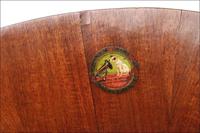
At the upper edge of the horn's opening, it also retains its small original decal bearing the La Voz de su Amo emblem, the image of Nipper, and the company's lettering. Large wooden horns represented a more prestigious option than the usual metal horns. In addition to their decorative appeal, they were valued for their acoustic qualities, producing a sound that many enthusiasts perceive as warmer, smoother, and fuller. On this example, the original mahogany horn is one of its most appealing features, both for its beauty and for the distinctive character it brings to the musical experience.
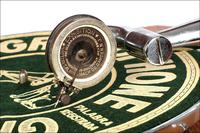
The gramophone retains its original metal tonearm and period Exhibition soundbox. The soundbox has been completely rebuilt, with its old rubber gaskets replaced, and was subsequently carefully adjusted to restore its acoustic performance. The result is clear, powerful, and very pleasant sound reproduction, allowing the listener to enjoy historic recordings in much the same way they were heard in homes during the early 20th century. The tonearm, its connections, and its mounting components all retain their original configuration.
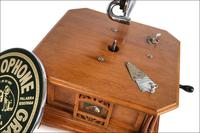
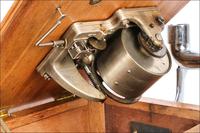
Inside the cabinet is the powerful original double-spring, spring-driven motor, wound by means of a hand crank. It has been carefully serviced and adjusted and operates beautifully, providing the driving power and consistent rotational speed needed for uninterrupted record playback. It incorporates a mechanical speed regulator and a pointer-type speed indicator visible through a small window on the top of the cabinet. This interesting technical feature, associated with later, more advanced versions of the model, helps date the manufacture of this example to the late 1910s or around 1920.
The machine retains its original period components, including the metal fittings, small mechanical parts, and fastening elements. Apart from the rubber gaskets replaced during the restoration of the Exhibition soundbox, the only other replaced component is the turntable felt, which has been renewed with a faithful reproduction of the original La Voz de su Amo design. Following its restoration, the gramophone is in excellent condition and perfect working order, ready to continue playing compatible antique 78 rpm shellac records and offering the distinctive sound that only an acoustic gramophone can provide.
The gramophone comes with several original 78 rpm shellac records, including the recording of "En secreto" ("In Secret") ("Cada noche un amor" - "A Love Every Night"), performed by Antonio Machín, which we play in our video. All the included records are compatible with the machine and can be played on it. New gramophone needles and a stroboscope for fine adjustment of the playback speed are also supplied. Its new owner will therefore have everything needed to begin enjoying this historic phonograph immediately, without having to search for additional accessories.
This HMV Monarch nº 13 C is a magnificent example of the finest luxury Spanish gramophones of the early 20th century. Its elaborately carved oak cabinet and impressive original mahogany horn, made exclusively in Spain and featuring the elegant, smooth lines so admired by the affluent families of the period, form an exceptionally beautiful ensemble. This is a machine that deserves to be admired up close, from the delicate carvings of its cabinet to the harmonious shape of its large wooden horn. Carefully restored and in perfect working order, it combines the appeal of a fine decorative antique with the pleasure of listening to music on an authentic gramophone more than a century old. A particularly attractive addition to a fine collection, but also an excellent choice for anyone wishing to bring an elegant, historic, and truly distinctive piece into a living room, library, or study.
Measurements: Base width: 40 cm (15.75 in). Base depth: 40 cm (15.75 in). Cabinet height: 21 cm (8.27 in). Horn diameter: 57 cm (22.44 in). Horn length: 72 cm (28.35 in).
History of La Voz de su Amo in Spain and the Monarch nº 13 C:
The history of La Voz de su Amo in Spain is closely linked to Barcelona, one of the leading centers of the recorded music industry in the early 20th century. The British company The Gramophone Company began establishing its presence in Spain through its French subsidiary and opened a branch on Balmes Street. From there, it promoted the sale of gramophones and records, developing models specifically intended for the Spanish market.
One of the most attractive characteristics of these machines was the beauty of their cabinets. Barcelona had a strong tradition of fine cabinetmaking and decorative arts, and some of the most luxurious models featured elaborately crafted oak or mahogany cabinets, turned columns, ornamental carvings, and large wooden horns. Their designs reflected the influence of Catalan Modernisme, which played such an important role in the architecture and decorative arts of the period. Thanks to this careful craftsmanship, Spanish gramophones developed a distinctive character that set them apart from many machines intended for other European markets.
The Monarch nº 13 C occupied a prominent place within this range. According to historical sales literature, in 1911 it was listed among the luxury models at a price of 350 pesetas, while the more economical model nº 1 cost only 100 pesetas. This considerable difference helps illustrate the prestigious position of the Monarch nº 13 C at the time. It was not merely a machine for playing music, but also an elegant piece of furniture designed to occupy an important place in the living rooms of more affluent households.
Although the model was already being marketed in 1911, its production continued to evolve over the following years. The mechanisms, speed regulators, and smaller technical details underwent modifications, so surviving examples can be found from different stages of manufacture. Based on the characteristics of its motor and speed indicator system, the gramophone presented here can be dated approximately to 1920.
In December 1915, the company's Spanish operations were reorganized under the name Compañía del Gramófono, Sociedad Anónima Española. Over the following decades, the company expanded its commercial and industrial activities and eventually established new facilities on Comte d'Urgell Street during the second half of the 1920s.
Today, these luxury Spanish gramophones are particularly appreciated for the beauty of their cabinets and their combination of traditional craftsmanship and acoustic engineering. The most elaborate models, especially those retaining their large original wooden horns, show how these machines became beautiful decorative objects as well as instruments for listening to music. The Monarch nº 13 C is a fine representative of that era and a piece of considerable interest in the history of Spanish gramophones.
The Recording Featured in Our Video: "En secreto" ("In Secret") ("Cada noche un amor" - "A Love Every Night"), Antonio Machín, 1945.
In our video, we play an original 78 rpm shellac record on this very gramophone, featuring the beautiful bolero "En secreto" ("In Secret") ("Cada noche un amor" - "A Love Every Night"), performed by Antonio Machín and his ensemble. The recording is dated to 1945 and was released in Spain on the Odeón label, with the record manufactured in Barcelona by Compañía del Gramófono-Odeón.
The song was composed by the celebrated Mexican musician Agustín Lara (1897-1970), one of the great composers of boleros and romantic songs of the 20th century. The work had already been copyrighted in 1943, and its sheet music was published in Barcelona in 1945, featuring a photograph of Antonio Machín on the cover and a reference to the Odeón record heard in our video. Its beautiful melody and lyrics evoke a deep love that remains in the memory, even when circumstances separate two lovers. It is one of those songs that preserves all the charm of mid-20th-century romantic music.
Antonio Machín (1903-1977) was born in Sagua la Grande, Cuba, and became one of the most beloved voices in popular music in Spain. After developing his career in Cuba, the United States, and France, he settled in Spain in 1939, where he achieved enormous popularity. His warm voice, elegant singing style, and unforgettable boleros made songs such as "Dos gardenias" ("Two Gardenias"), "Angelitos negros" ("Little Black Angels"), and "El manisero" ("The Peanut Vendor") famous. For decades, he remained one of the great figures of romantic popular music, leaving a lasting impression on several generations of listeners.
Although this magnificent HMV Monarch nº 13 C was manufactured around 1920, it can also play compatible, standard-groove 78 rpm shellac records made many years later, such as this beautiful 1945 recording by Antonio Machín. Hearing it on a gramophone of this quality offers a truly special musical experience, with all the charm and distinctive sound of historic acoustic reproduction.
declaration
IberAntiques has clarified that the Antique La Voz de su Amo (HMV) Monarch 13 C Luxury Gramophone. Spain, Circa 1920 (LA592619) is genuinely of the period declared with the date/period of manufacture being circa 1920
additional info
Category:
Material:
-
Origin:
-
Date of Manufacture:
circa 1920
location
This Antique La Voz de su Amo (HMV) Monarch 13 C Luxury Gramophone. Spain, Circa 1920 is located in Spain
Share:
A selection of items from IberAntiques
IberAntiques has 92 items available.Antique La Voz de su Amo (HMV) Monarch No. 5 Gramophone. Mahogany Horn. Spain, Circa 1910–1915
€ 3,200
£2,670$3,582
IberAntiques
Antique His Master's Voice (HMV) Monarch V Gramophone. England, Circa 1911–1913
€ 1,700
£1,418$1,903
IberAntiques
Antique Monarch Senior Gramophone with Morning Glory Horn. France, Circa 1908
€ 2,700
£2,253$3,022
IberAntiques
Antique Extrafon (Extraphon) Gramophone. Red Horn. Spain, Circa 1930-1932
€ 3,300
£2,753$3,694
IberAntiques