
... See more
Camden Antiques
'%3e%3cpath fill='%23012169' d='M0 0v30h60V0z'/%3e%3cpath stroke='%23fff' stroke-width='6' d='m0 0 60 30m0-30L0 30'/%3e%3cpath stroke='%23C8102E' stroke-width='4' d='m0 0 60 30m0-30L0 30' clip-path='url(%23b)'/%3e%3cpath stroke='%23fff' stroke-width='10' d='M30 0v30M0 15h60'/%3e%3cpath stroke='%23C8102E' stroke-width='6' d='M30 0v30M0 15h60'/%3e%3c/g%3e%3c/svg%3e) West Sussex, UK
West Sussex, UKCamden Antiques
Address
Camden Antiques,
Arundel
West Sussex
United Kingdom
BN189PY
Opening times
By Appointment
Mobile
+447887 503904
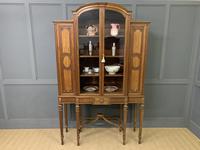
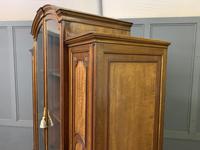
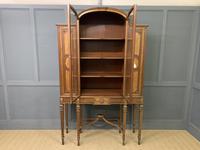
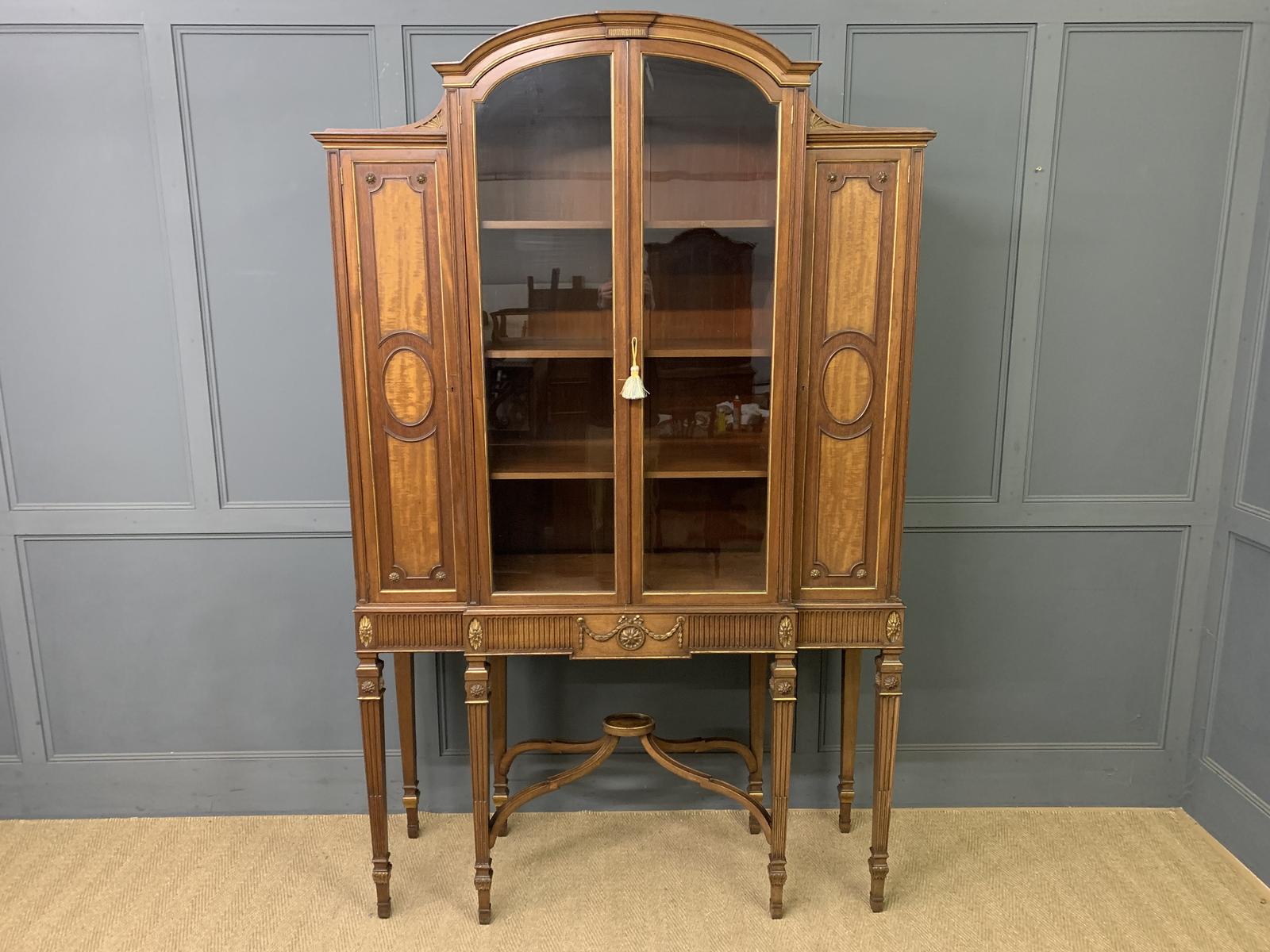
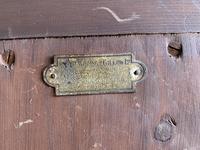
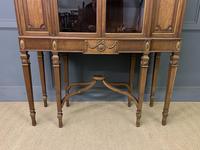
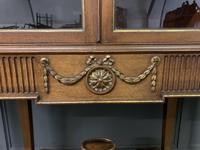
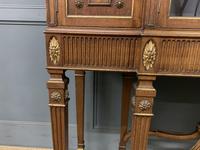
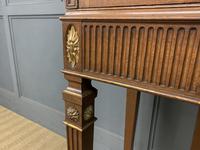
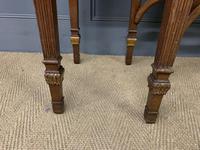
Waring & Gillow Neoclassical Display Cabinet
REF: LA 18338 / LA555496
£1,895
€2,205
$2,516
Secure Payments By
LoveAntiques Dealersince Aug 2014Approved item3598 sales by dealer
LoveAntiques Dealersince Aug 2014Approved item3598 sales by dealer
Description
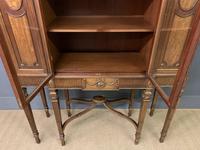
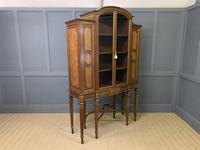
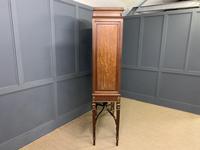
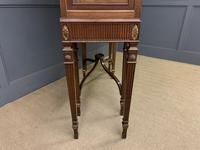
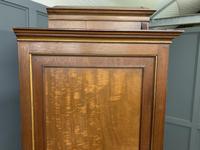
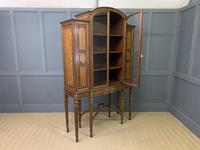
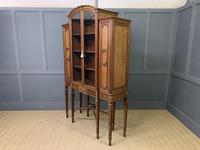
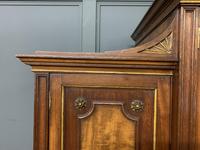
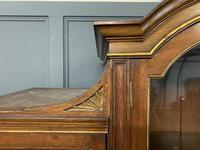
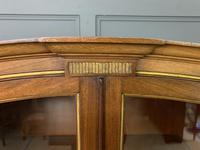
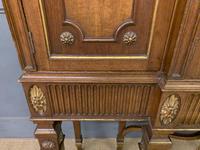
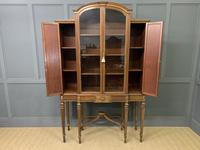
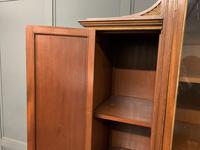
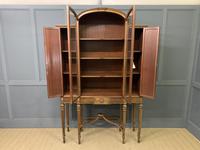
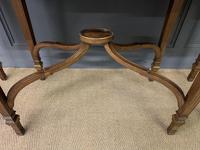
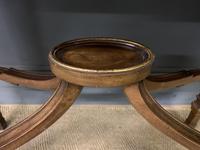
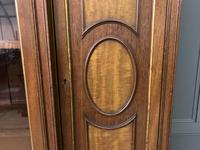
A neoclassical style display cabinet by Waring & Gillow. Dating to the early 20th century and of very good construction in solid walnut. Of tall, elegant, generous proportions. With a domed top sitting over a pair of glazed doors. Flanked by a pair of cupboard doors. All doors are lockable (key supplied) and open to access shelved interiors. All sitting on a stylish base with long, tapering legs, united by under-stretchers. Offered for sale in very good original condition, with a nice colour and patina. Splits into 2 sections for ease of installation.
Dimensions:
Width 140cms
Depth 46cms
Height 223cms
Internal shelf depth 39cms
Waring and Gillow a potted history:
Waring & Gillow is a noted firm of English furniture manufacturers formed in 1897 by the merger of Gillow of Lancaster and Waring of Liverpool.
The firm of Gillow's of Lancaster can be traced back to the luxury furniture and furnishings firm founded by Robert Gillow (1704–72) in 1730. Robert Gillow served an apprenticeship as a joiner. During the 1730s he began to exploit the lucrative West Indies trade exporting mahogany furniture and importing rum and sugar. Following his death in 1772, the business was continued by his two sons, Richard (1734–1811) and Robert (1745–93). In 1764 a London branch of Gillow's was established at 176 Oxford Road, now Oxford Street, by Thomas Gillow and William Taylor. The firm rapidly established a reputation for supplying high-quality furniture to the richest families in the country.
During the final years of the 19th century the company ran into financial difficulty and from 1897 began a loose financial arrangement with Waring of Liverpool, an arrangement legally ratified by the establishment of Waring & Gillow in 1903. Waring's of Liverpool was founded by John Waring, who arrived in the city from Belfast in 1835 and established a wholesale cabinet making business. He was succeeded by his son Samuel James Waring who rapidly expanded the business during the 1880s, furnishing hotels and public buildings throughout Europe. He also founded Waring-White Building Company which built the Liverpool Corn Exchange, Selfridge's department store and the Ritz Hotel. Samuel James's son and namesake Samuel James Waring (1860-1940) continued the family business and was elevated to the peerage as Baron Waring in 1922.
Gillow's had established a reputation for the outfitting of luxury yachts and liners, including the royal yacht Victoria and Albert, liners Lusitania, Heliopolis and Cairo, Queen Mary (1936) and Queen Elizabeth (1940) for Cunard. During the First World War the Lancaster factory was turned over to war production, making ammunition chests for the Navy and propellers for De Havilland DH9 aircraft. They also established a large tent-manufacturing facility of 8,000 workers during WW1 on the now closed former exhibition site at White City (the former Machinery Hall). They also made gas masks and trench covers from this site.During this time it was also at the White City site that the Workers Union first got recognition after a four-day strike mainly by women. The company also manufactured ammunition belts for use with machine guns, nosebags for horses and protective clothing for use during gas attacks.
During World War II the factory produced parts for gliders and the Mosquito aircraft, while kit-bags, tents and camouflage nets were made by the upholstery department.
measurements
Height:
223 cm
Width:
140 cm
Depth:
46 cm
declaration
Camden Antiques has clarified that the Waring & Gillow Neoclassical Display Cabinet (LA555496) is genuinely of the period declared with the date/period of manufacture being 1910
condition
Very good original.
additional info
Material:
Artisan:
Date of Manufacture:
1910
location
This Waring & Gillow Neoclassical Display Cabinet is located in West Sussex, United Kingdom
Share:
A selection of items from Camden Antiques
Camden Antiques has 176 items available.