
... See more
The Red House Antiques
'%3e%3cpath fill='%23012169' d='M0 0v30h60V0z'/%3e%3cpath stroke='%23fff' stroke-width='6' d='m0 0 60 30m0-30L0 30'/%3e%3cpath stroke='%23C8102E' stroke-width='4' d='m0 0 60 30m0-30L0 30' clip-path='url(%23b)'/%3e%3cpath stroke='%23fff' stroke-width='10' d='M30 0v30M0 15h60'/%3e%3cpath stroke='%23C8102E' stroke-width='6' d='M30 0v30M0 15h60'/%3e%3c/g%3e%3c/svg%3e) North Yorkshire, UK
North Yorkshire, UK
Address
The Red house
1 Duncombe place york
North Yorkshire
United Kingdom
YO1-7ED
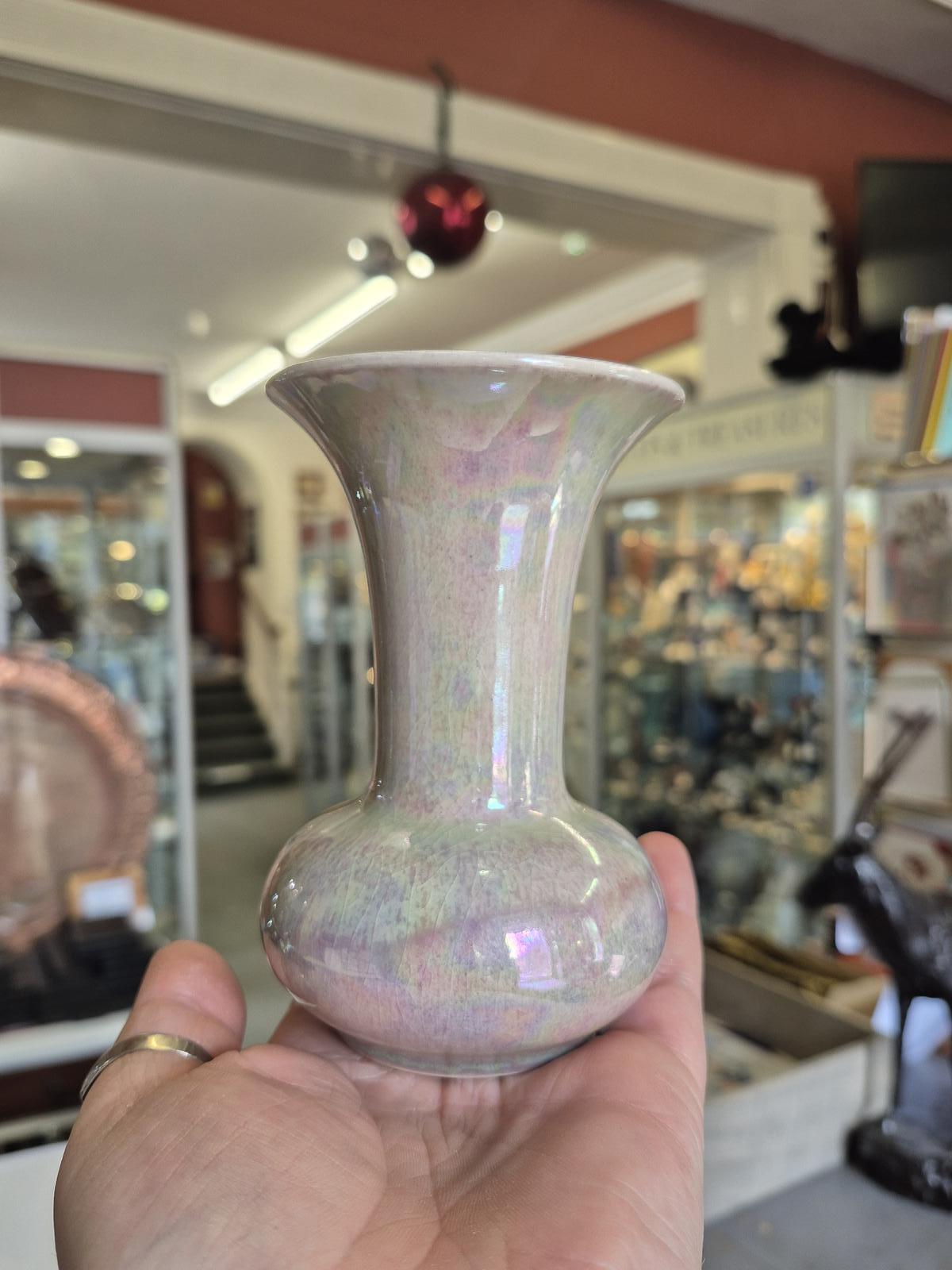
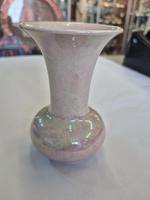
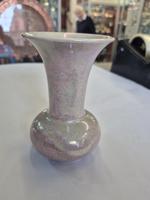
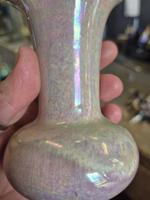
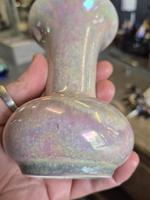
Ruskin Pink / Green Iredescent Lustre Vase
REF: YELLOW ROOM / LA542990
£395
€460
$529
LoveAntiques Dealersince Apr 2025Approved item39 sales by dealerAvailable for local pick-up
LoveAntiques Dealersince Apr 2025Approved item39 sales by dealerAvailable for local pick-up
Description
Ruskin Pottery pink/green iridescent vase, known for its distinctive glazes and experimental techniques.
Origin and History:
Ruskin Pottery was founded in 1898 by Edward R. Taylor, with his son William Howson Taylor becoming the master ceramicist and manager. The pottery was named after the artist and social thinker John Ruskin.
Unique Glazes:
William Howson Taylor was renowned for his innovative glazes, including high-fired reduction glazes like sang-de-boeuf and flambé, as well as soufflé glazes and crystalline effects.
Destruction of Formulae:
Notably, William Howson Taylor destroyed all his glaze recipes and notes before his death in 1935, making the replication of Ruskin Pottery's unique pieces impossible.
Recognition:
Ruskin Pottery gained international recognition, winning awards at various exhibitions, including the "grand prize" at the St. Louis International Exhibition in 1904.
Location:
The pottery studio was located in Smethwick, then in Staffordshire and now part of the West Midlands.
declaration
The Red House Antiques has clarified that the Ruskin Pink / Green Iredescent Lustre Vase (LA542990) is genuinely of the period declared with the date/period of manufacture being 1919
condition
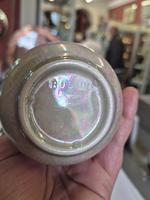
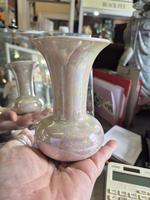
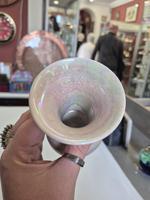
Very good condition (see pictures).
additional info
Material:
Origin:
Artisan:
Date of Manufacture:
1919
location
This Ruskin Pink / Green Iredescent Lustre Vase is located in North Yorkshire, United Kingdom
Share:
Ask a question
Please note,
This dealer does not accept instant online payment for this item.
To buy this item please email the dealer using the enquiry form below.
A selection of items from The Red House Antiques
The Red House Antiques has 78 items available.