Back to all directories
We've found 247 Dealers in the United Kingdom
Didn't find what you were looking for? Try searching another category or location:
Dealers

Category:
LoveAntiques Dealers
Type:
All
LoveAntiques Dealer
Antique Dealer
Premium

1
'%3e%3cpath fill='%23012169' d='M0 0v30h60V0z'/%3e%3cpath stroke='%23fff' stroke-width='6' d='m0 0 60 30m0-30L0 30'/%3e%3cpath stroke='%23C8102E' stroke-width='4' d='m0 0 60 30m0-30L0 30' clip-path='url(%23b)'/%3e%3cpath stroke='%23fff' stroke-width='10' d='M30 0v30M0 15h60'/%3e%3cpath stroke='%23C8102E' stroke-width='6' d='M30 0v30M0 15h60'/%3e%3c/g%3e%3c/svg%3e) United Kingdom, England, West Sussex
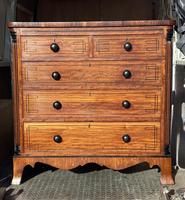
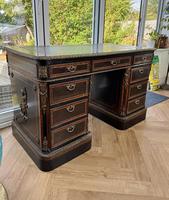
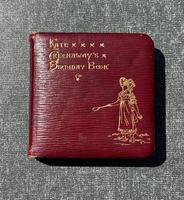
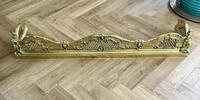
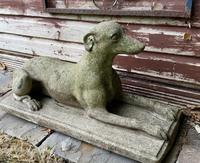
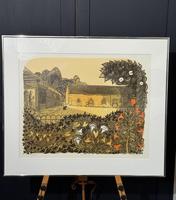
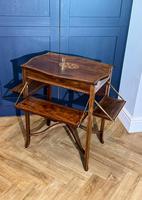
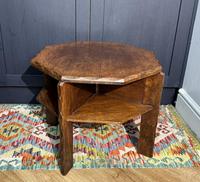
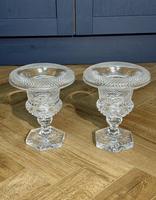
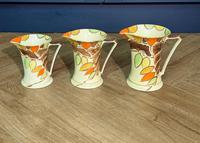
United Kingdom, England, West SussexI am a third generation Antique dealer with a passion for art and hand made items made from good quality materials and try to source items that are attractive and will last many generations. If you like any of my items please contact me to discuss further.
Phone

LoveAntiques Dealer
Antique and Vintage Dealer
Premium
Graham Reed Fine Art
2
United Kingdom, England, North YorkshireSpecialities: Art
Previously I worked in London as a Chartered Surveyor and have been dealing in paintings for thirty years. I have exhibited at at many major antique fairs and have vetted at them when required. I live in North Yorkshire but trade from Castlegate Antiques, 1/3 Castlegate, Newark, Notts, NG24 1A2 Tel 01636 701877 where my stock can be viewed Monday to Saturday 10am to 5pm. However it is advisable to ring first if wishing to view a specific item in case it is in Yorkshire. If not at Newark it can then be brought to the shop to be viewed at your convenience.






LoveAntiques Dealer
Antique and Vintage Dealer
Premium
Harmony Antiques
3
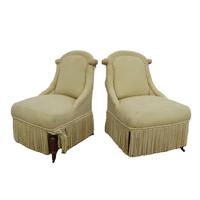
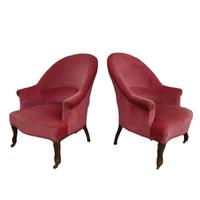
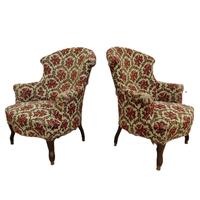
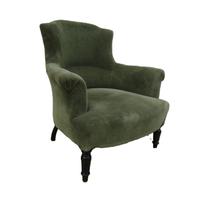
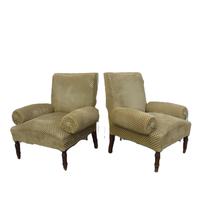
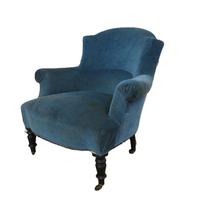
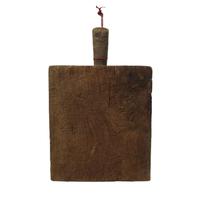
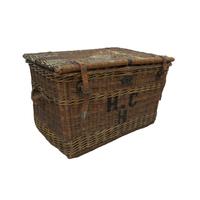
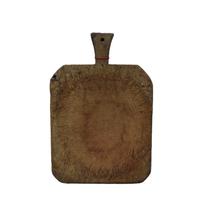
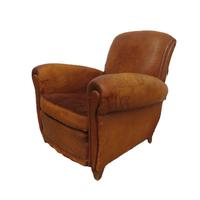
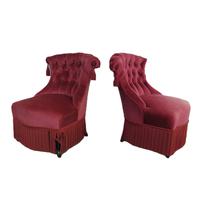
United Kingdom, England, West SussexSpecialities: Mirrors, Furniture
Website
www.harmonyantiques.co.uk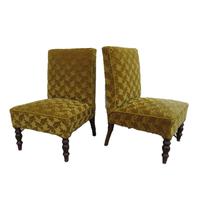
LoveAntiques Dealer
Antique and Vintage Dealer
Premium
Harry Raine Antiques
4
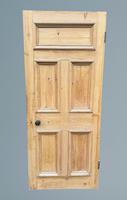
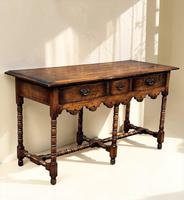
LoveAntiques Dealer
Antique and Vintage Dealer
Premium

5
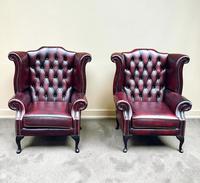
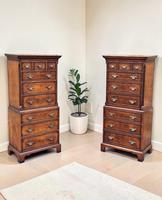
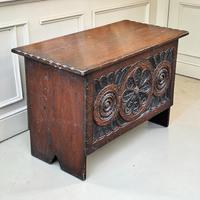
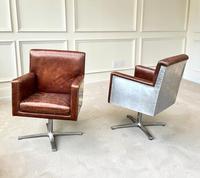
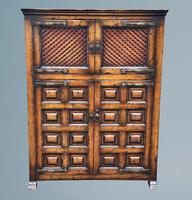
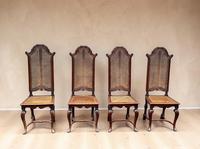
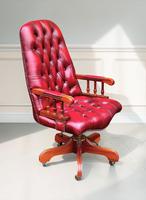
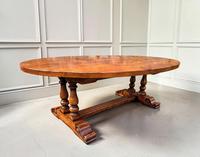
United Kingdom, England, CornwallWe are a long-established firm of Antique Dealers and restorers, with 35 years of experience. We deal in quality pieces from the 17th - 18th - 19th and some early 20th century.
We have furniture, from top-quality 18th-century pieces to the more simple vernacular country furniture. We also have various lighting, lamps, porcelain (English, continental, and oriental ) bronzes, Tapestries, rugs, clocks, and much more!
We have a large showroom on site in Cornwall PL24 2SR displaying items in room settings, plus a large barn full of exciting objects awaiting some form of restoration. We currently have over 3,000 items in stock. So if you can't see it here always ask. We only restore pieces that require minimal work, not complete overhauling. All our items are chosen due to their quality and originality. You are always welcome to come and explore.
All the Best Mitchell


LoveAntiques Dealer
Vintage Dealer
Premium

6
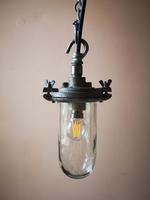
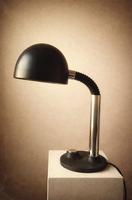
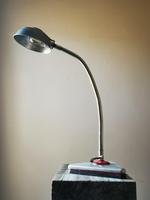
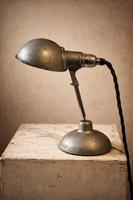
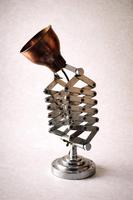
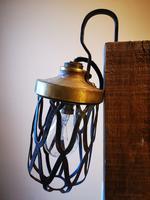
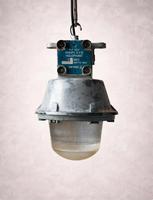
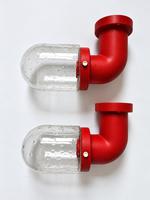
United Kingdom, England, AvonHAUSVOLT specialises in original vintage and industrial lighting, carefully sourced for contemporary homes and interiors.
Our collection includes distinctive factory, workshop, marine and architectural lighting, chosen for its quality, character and industrial heritage.
Each piece is individually selected and sympathetically restored, retaining the marks, materials and details that tell its story. Where appropriate, our lighting is professionally rewired and electrically tested, ready for its next life.
Based in Bristol, HAUSVOLT supplies original industrial lighting to private buyers, interior designers, architects and commercial spaces.
Original lighting. Carefully sourced. Rebuilt for contemporary interiors.
Website
hausvolt.com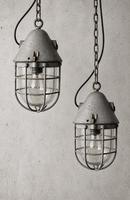

LoveAntiques Dealer
Antique and Vintage Dealer
Premium

LoveAntiques Dealer
Antique Dealer
Premium

8
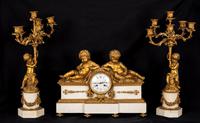
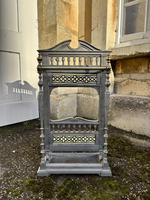
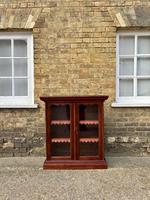
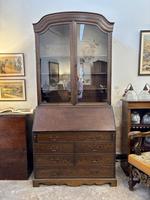
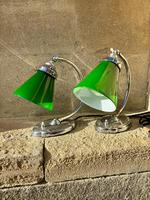
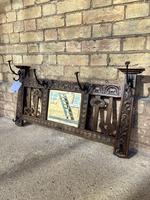
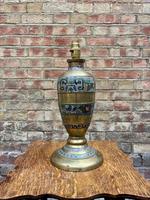
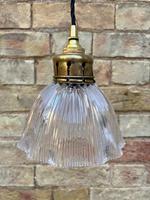
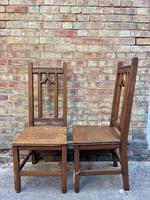
United Kingdom, England, BedfordshireWelcome to Hendles Hoard, your destination for authentic antique furniture, vintage decor and timeless collectibles, located at the historic Wrest Park Mansion House in Bedfordshire, UK. Specializing in handcrafted antique pieces, I offer a carefully curated selection of Victorian furniture, Edwardian sideboards, Georgian dressers, mid-century modern cabinets, and other one-of-a-kind vintage furnishings.
Every piece in my collection is handpicked for its craftsmanship, historical value, and decorative appeal. Whether you’re a collector, interior designer, or vintage enthusiast, you’ll discover an exclusive range of restored antique chairs, original oak tables, ornate armoires, and rare accent pieces—each with its own story to tell.
Located within the stunning heritage grounds of Wrest Park, Hendles Hoard blends the beauty of history with modern convenience. From antique living room furniture to statement hallway pieces, I help customers across the UK and beyond find furniture that elevates their space with character and class.
Explore a world of English antiques, period furniture, and heirloom-quality furnishings—and bring home a piece of the past.
Website
www.hendleshoard.com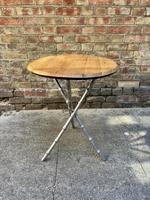

LoveAntiques Dealer
Antique Dealer
Premium

9
United Kingdom, England, Suffolk
LoveAntiques Dealer
Antique and Vintage Dealer
Premium

10
United Kingdom, England, StaffordshireSpecialities: Vintage, Watches, Gold, Barometers, French, Clocks, Silver
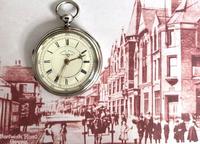
Specialist business of professional restorers and dealers of quality antique clocks and pocket watches.
Member of The British Watchmakers and Clockmakers Guild.
Phone