
Antique and Unique is a family run business based in the Derbyshire Peak District. We love antiques, and buy and sell items that we personally like, whether it be a 17th century bible box, an Arts and Crafts table or a piece of Chinese blue and white porcelain.
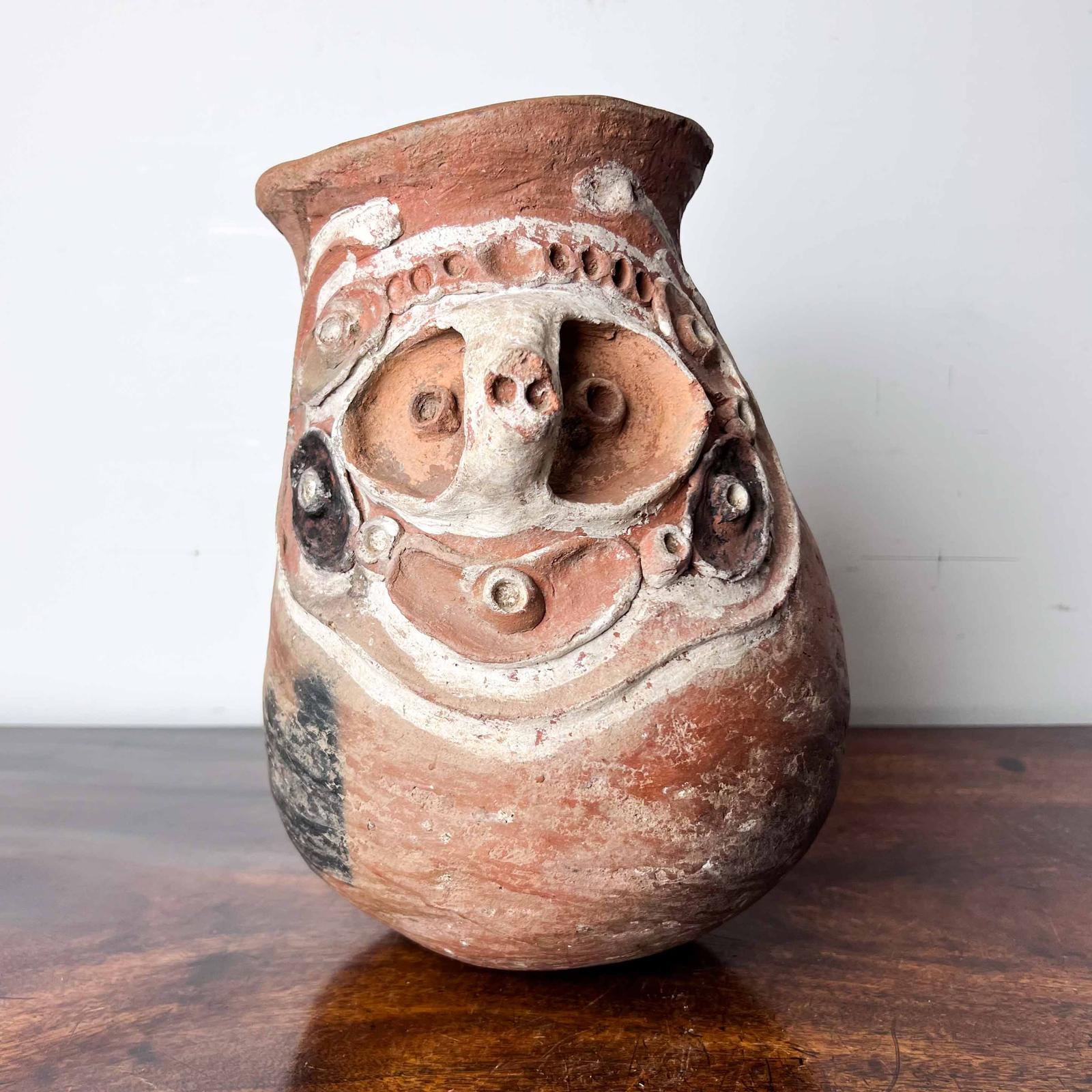
Oceanic Tribal Aibom Village Sago Storage 'Pig' Jar
REF: LA450363
From:Antique and Unique
Oceanic Tribal Aibom Village Sago Storage 'Pig' Jar
REF: LA450363
From:Antique and Unique
Sold
This item has been sold and is no longer available
Antique and Unique
'%3e%3cpath fill='%23012169' d='M0 0v30h60V0z'/%3e%3cpath stroke='%23fff' stroke-width='6' d='m0 0 60 30m0-30L0 30'/%3e%3cpath stroke='%23C8102E' stroke-width='4' d='m0 0 60 30m0-30L0 30' clip-path='url(%23b)'/%3e%3cpath stroke='%23fff' stroke-width='10' d='M30 0v30M0 15h60'/%3e%3cpath stroke='%23C8102E' stroke-width='6' d='M30 0v30M0 15h60'/%3e%3c/g%3e%3c/svg%3e) Derbyshire, UK
Derbyshire, UK
Address
Unit 2, Tideswell Business Park
Tideswell
Derbyshire
United Kingdom
SK17 8PY
Opening times
Monday to Friday 10am - 5pm (it is best to call first). Saturdays by appointment.
Mobile
+447813 369871
Oceanic Tribal Aibom Village Sago Storage 'Pig' Jar
REF: LA450363
From:Antique and Unique
Sold
This item has been sold and is no longer available
Oceanic Tribal Aibom Village Sago Storage 'Pig' Jar
REF: LA450363
From:Antique and Unique